The Sixth Sense: What Proprioception Is and Why It Begins in Your Feet
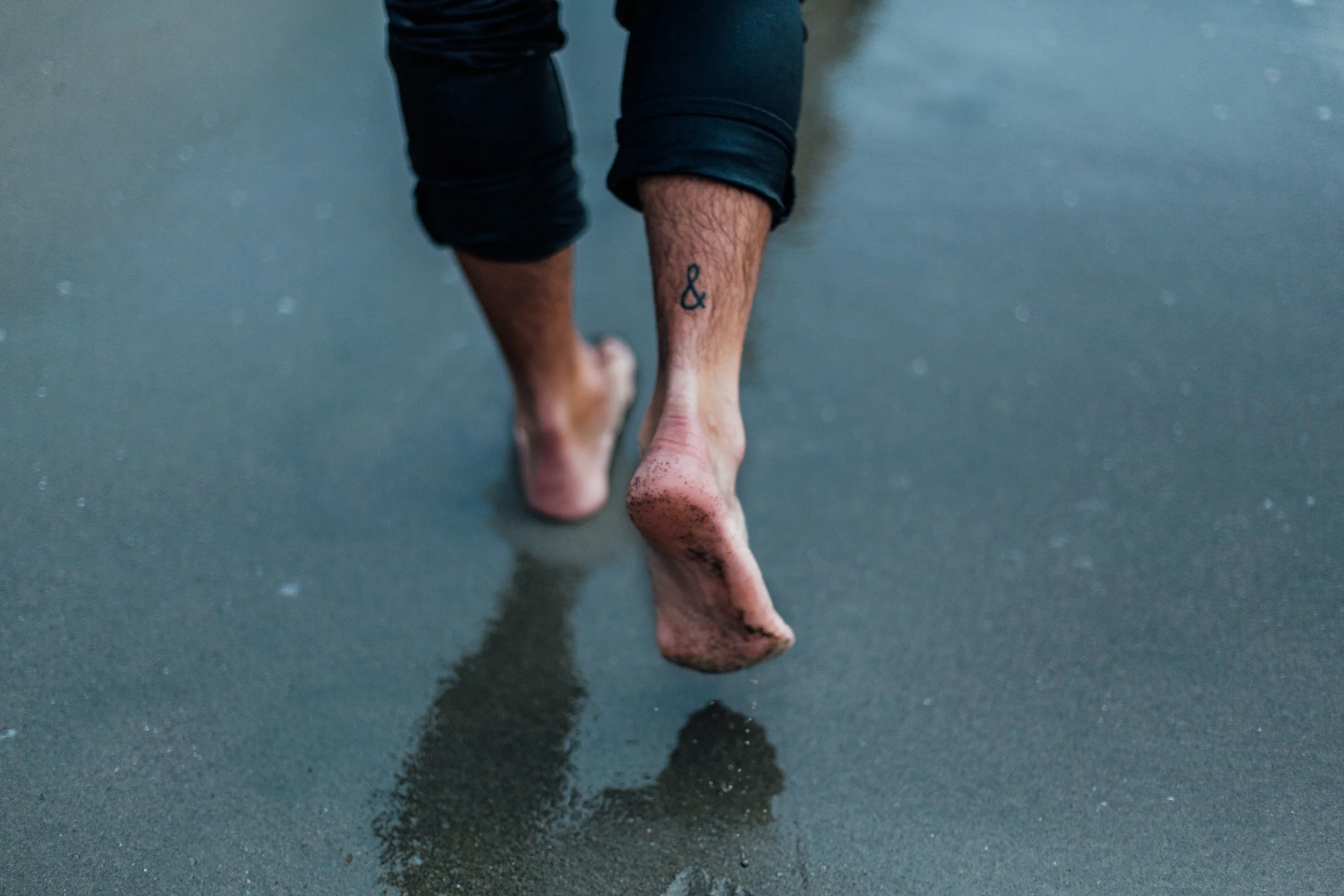
Most people can name the five classic senses without hesitation. Vision, hearing, smell, taste, touch. What rarely makes that list is the sense that governs nearly every movement you make throughout the day, the one that allows you to walk without watching your feet, reach for a glass in the dark, and adjust your posture without thinking. It is called proprioception, and it is arguably the most underappreciated sensory system in the human body. Proprioception is the body's ability to perceive its own position, movement, and spatial orientation in real time. It is the reason you can close your eyes and still know where your arms are, or descend a flight of stairs without looking down. The word comes from the Latin proprius, meaning "one's own," a fitting etymology for a system that gives you a constant, moment-to-moment awareness of where you end and the world begins.
The mechanics of proprioception operate through specialized sensory receptors embedded in your muscles, tendons, and joints. These receptors, known as mechanoreceptors, detect changes in tension, stretch, compression, and position. They transmit that information continuously to the brain and spinal cord, which then process it and use it to coordinate movement, balance, and posture. The entire loop happens in milliseconds, well below the threshold of conscious awareness. You never have to think about it. Your body simply knows. The feet are the primary proprioceptive organ of the entire body. They contain a remarkable concentration of these sensory receptors, more densely packed than nearly any other region of the body apart from the fingertips and lips. The sole of the foot alone contains thousands of mechanoreceptors that respond to pressure, vibration, shear forces, and subtle shifts in surface texture. Every step delivers a stream of sensory information upward through the nervous system, informing the brain about the nature of the terrain, the distribution of the body's weight, and any necessary postural correction.
Research published in the Journal of Neurophysiology has documented how the proprioceptive signals originating in the feet contribute to balance control and gait stability far more than previously understood. The brain relies on foot-derived sensory input to make continuous micro-adjustments that most people never consciously register. When that input is diminished, whether through neuropathy, poor footwear, sedentary habits, or simply aging, the downstream consequences can be significant. Studies have found that proprioceptive decline in the lower extremities is among the strongest predictors of fall risk in older adults.
Sedentary behavior is one of the most common and underappreciated contributors to proprioceptive decline. When the feet spend most of their time in heavily cushioned shoes on flat surfaces, the mechanoreceptors in the soles are deprived of the varied sensory input they need to remain sensitive and responsive. Like any sensory system, proprioception sharpens with stimulation and dulls without it. The modern environment, designed almost entirely around comfort and uniformity, offers very little of the textural variety and postural challenge that proprioceptive tissue evolved to respond to. There is a direct line between the proprioceptive signals generated in the feet and the broader regulation of the nervous system. The sensory pathways that transmit proprioceptive information travel through the spinal cord and into the brainstem, a region that is also responsible for regulating arousal, autonomic tone, and the balance between the sympathetic and parasympathetic branches of the nervous system. Stimulating the mechanoreceptors in the soles of the feet, as occurs during skilled manual therapy, does not merely provide local sensation. It sends information into neural circuits that influence the entire body's regulatory state.
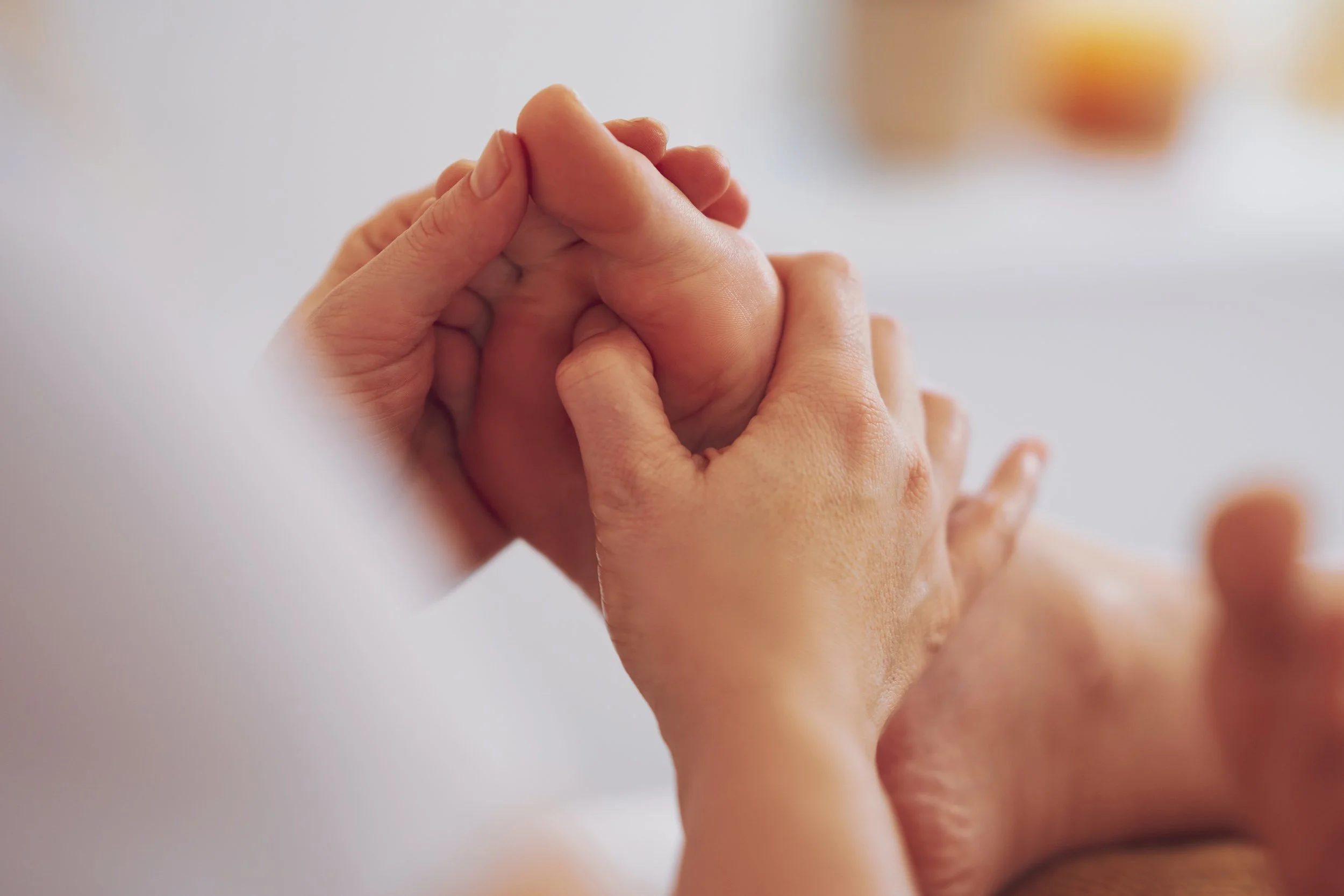
This is part of the scientific basis for why foot reflexology produces effects that extend far beyond the feet themselves. When a trained practitioner applies precise pressure to specific zones of the foot, they engage not just the surface tissue but the deep mechanoreceptors and neural pathways that connect foot sensation to central nervous system function. Clients consistently report a quality of relaxation following reflexology that feels systemic rather than localized, a calming of the whole body that reflects what is happening on a neurological level.
At BAO FOOT SPA, our reflexology sessions are designed to engage these pathways with skill and intentionality. Each session begins with a warm foot bath that softens the tissue and begins to awaken the sensory receptors, followed by methodical pressure applied across the sole, heel, arch, and toes. Whether you choose a focused 30-minute session or an extended visit that incorporates body massage, the foundation of the work is the same: sustained, purposeful engagement with the most neurologically rich contact surface your body has.
If your feet have spent the summer confined to the same flat surfaces day after day, or if you simply want to experience what it feels like for this vital system to be properly attended to, now is a good time to come in. Your feet are doing more for your body than you probably realize. Giving them the attention they have earned is not indulgence. It is intelligence. You can book a session at either our Beverly Hills or Santa Monica location at baofootspa.com.
Sources
Proske, U., & Gandevia, S.C. (2012). The proprioceptive senses: their roles in signaling body shape, body position and movement, and muscle force. Physiological Reviews, 92(4), 1651-1697. Kavounoudias, A., Roll, R., & Roll, J.P. (1998). The plantar sole is a 'dynamometric map' for human balance control. NeuroReport, 9(14), 3247-3252. Richardson, J.K., & Ashton-Miller, J.A. (1996). Peripheral neuropathy: an often-overlooked cause of falls in the elderly. Postgraduate Medicine, 99(6), 161-172.