The Brain's Hidden Cleaning System: What the Glymphatic System Reveals About the Cost of Poor Sleep
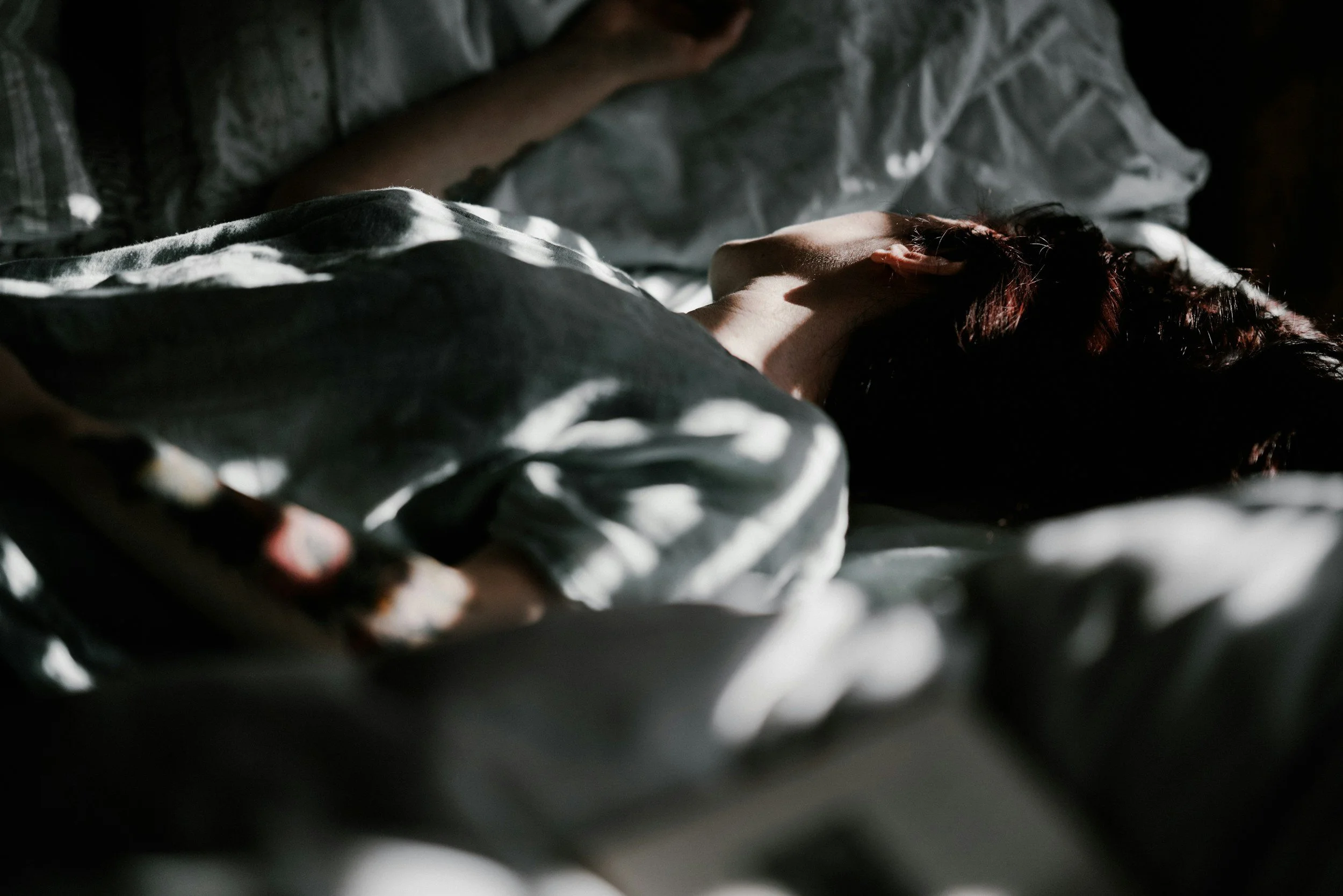
For decades, the study of sleep focused primarily on what the brain does during rest: how memories consolidate, how hormones regulate, how the body repairs muscle tissue, how emotional processing occurs overnight. What scientists did not fully understand was what the brain does to maintain itself, to quite literally clean up after the demands of a full day of activity. That understanding arrived in 2013, when a team of researchers led by neuroscientist Maiken Nedergaard at the University of Rochester made a discovery that would change the way science thinks about sleep and brain health.
They found that the brain has its own waste clearance system, a network of channels surrounding blood vessels that functions in a manner similar to the lymphatic system found in the rest of the body. They named it the glymphatic system, a portmanteau of "glial" and "lymphatic," reflecting the role of glial cells, the brain's support cells, in driving the process. And they found something remarkable: this system is almost entirely inactive while we are awake. It becomes fully operational only during sleep.
How It Works
The brain is one of the most metabolically active organs in the body. As neurons fire throughout the day, they generate metabolic waste products. Among the most studied of these is amyloid beta, a protein fragment that accumulates in the spaces between cells and has been strongly associated with Alzheimer's disease. Tau protein, also linked to neurodegeneration, is another. Throughout the waking hours, these proteins and other cellular waste products build up in the interstitial fluid that surrounds brain cells.
The glymphatic system clears them. During sleep, glial cells called astrocytes shrink by approximately 60 percent, dramatically increasing the space between cells in the brain. Cerebrospinal fluid, which normally circulates outside the brain, is then actively pumped through this expanded interstitial space, flushing metabolic waste out of the brain and into the lymphatic vessels of the neck, where it is eventually filtered and removed from the body.
The process is slow, methodical, and remarkably efficient when given enough time. It is also almost completely dependent on sleep. Studies in mice have shown that the glymphatic system operates at roughly ten times the rate during sleep than during wakefulness. When sleep is disrupted or cut short, clearance is incomplete.
What Happens When Clearance Is Incomplete
A single poor night of sleep is enough to measurably increase amyloid beta levels in the human brain, according to a 2017 study published in the Proceedings of the National Academy of Sciences. Two consecutive nights of disrupted sleep produced even more significant accumulation. The researchers observed these changes in healthy adults, suggesting that the risk associated with disrupted glymphatic clearance is not limited to those with existing neurological conditions. It is a baseline biological process, operating in all of us, every night.
The implications extend beyond Alzheimer's disease. The inflammatory byproducts of neural activity that accumulate with insufficient sleep are associated with brain fog, impaired concentration, emotional dysregulation, and slower reaction times. Many people attribute these symptoms to simply being tired. The actual mechanism is more specific: the brain is carrying a higher load of waste products than it was designed to handle in a waking state.
Sleep position may also influence glymphatic efficiency. Research published in the Journal of Neuroscience found that the lateral, or side-sleeping, position appeared to support more efficient glymphatic clearance than sleeping on the back or stomach. The reasons are not fully understood, but it appears that the orientation of the brain relative to gravity affects the flow dynamics of cerebrospinal fluid through the system.
Deep Sleep Is the Critical Variable
Not all sleep is equal from the perspective of glymphatic function. The system appears to be most active during slow-wave sleep, the deep, dreamless sleep that tends to dominate the early part of the night. This is the phase of sleep that is most easily disrupted by stress, alcohol, poor sleep hygiene, artificial light exposure before bed, and inconsistent sleep schedules.
Alcohol, in particular, is worth noting. Many people experience alcohol as a sleep aid because it reduces the time it takes to fall asleep. But alcohol suppresses slow-wave sleep significantly. The result is a night that may feel like rest but lacks the depth the glymphatic system requires to do its work. Waking from an alcohol-assisted sleep with a foggy head is not simply a hangover symptom. It is, at least in part, a reflection of impaired brain clearance.
Stress carries a similar paradox. Chronic stress elevates cortisol, which disrupts the architecture of sleep even in people who appear to sleep a sufficient number of hours. The hours may be there. The depth may not. And the glymphatic system operates in depth, not duration.
Circulation, the Nervous System, and the Path to Deeper Rest
What makes glymphatic research so relevant to the way we approach restorative care is that it connects brain health directly to the quality of physical rest, and physical rest is not simply a function of lying down. It requires the nervous system to shift from its waking, alert state into genuine parasympathetic dominance. Muscles must release. Heart rate must settle. Circulation must ease into its overnight rhythm.
This is where the body of evidence around therapeutic touch becomes meaningful. Research has consistently shown that massage and reflexology shift the autonomic nervous system away from sympathetic activation, the fight-or-flight state so many people spend the majority of their waking hours in, and toward the parasympathetic state associated with rest, digestion, and recovery. Heart rate variability improves. Cortisol levels drop. Melatonin, the hormone that governs the onset of sleep, has been shown to rise following reflexology sessions in multiple clinical studies.
In practical terms, this means that the path to deeper sleep, and by extension to more efficient glymphatic clearance, often begins not in the bedroom but in the hours before. How the nervous system is prepared for sleep determines the quality of sleep itself.
At BAO Foot Spa, our Foot Reflexology and Whole Body Massage sessions are designed precisely for this kind of preparation. Targeted pressure work on the feet activates reflex points corresponding to the nervous system and endocrine organs, encouraging a degree of relaxation that goes beyond ordinary tiredness. Clients frequently report falling asleep faster and sleeping more soundly in the night following a session. The science of why is, increasingly, well understood.
A New Way to Think About Recovery
The discovery of the glymphatic system has prompted a fundamental reconsideration of what sleep is actually for. It is not simply a pause in productivity. It is when the brain does its maintenance work. The toxic proteins and inflammatory debris of the day are cleared, the interstitial landscape is reset, and the conditions for optimal cognitive and emotional function the following day are restored.
This changes how we might think about the value of investing in rest. A good night of sleep is not a luxury. It is not laziness. It is the biological condition under which the brain maintains itself. The cumulative cost of neglecting that maintenance is now documented in the research, associated not just with next-day fatigue but with long-term neurological risk.
Taking rest seriously, protecting the conditions that allow for deep, restorative sleep, and actively reducing the nervous system activation that prevents it are not indulgences. They are, according to the science, among the most important things a person can do for their long-term health.
Sources
Xie, L., et al. (2013). Sleep Drives Metabolite Clearance from the Adult Brain. Science, 342(6156), 373–377. Shokri-Kojori, E., et al. (2018). Beta-amyloid accumulation in the human brain after one night of sleep deprivation. Proceedings of the National Academy of Sciences, 115(17), 4483–4488. Lee, H., et al. (2015). The Effect of Body Posture on Brain Glymphatic Transport. Journal of Neuroscience, 35(31), 11034–11044. Jerath, R., et al. (2019). Physiology of long pranayamic breathing: Neural respiratory elements may provide a mechanism that explains how slow deep breathing shifts the autonomic nervous system. Medical Hypotheses. Morin, C.M., et al. (2006). Psychological and behavioral treatment of insomnia: Update of the recent evidence (1998–2004). Sleep, 29(11), 1398–1414.