

The Autumn Reset: What Happens to Your Body When the Seasons Change, and How to Respond
There is a reason October feels different. The air cools, the light softens, and something in the body shifts in response. Leaves changing color is the version of seasonal change we are taught to notice, but inside the human body, the transition from summer into autumn triggers a cascade of physiological adjustments that are equally dramatic, if far less celebrated. Understanding what those changes are, and how to support the body through them, is one of the more practical things any of us can do for our long-term health.

The Invisible Army: What Your Immune System Is Actually Doing This Time of Year
There is a war happening inside you right now, and you are winning it. Every minute of every day, your immune system is neutralizing threats you will never consciously register. The air you breathe carries viruses, bacteria, and particulate matter. The surfaces you touch deposit foreign organisms onto your skin and fingertips. The food you eat introduces microbes into your digestive tract. And yet, most days, you feel perfectly fine. That is not luck. That is an extraordinarily sophisticated biological defense network doing exactly what it was designed to do.

The Fall Wellness Reset
There is something quietly demanding about the transition into autumn. The ease of summer dissolves almost overnight, replaced by renewed professional obligations, school schedules, and a subtle but measurable physiological pressure most of us mistake for ordinary stress. But the body's experience of fall is more nuanced than that.

The Autumn Shift: What Your Body Is Actually Doing as the Season Changes
The transition into fall is often described in terms of aesthetics. Cooler air. Shorter days. A shift in light that makes everything look slightly different in the late afternoon. What rarely enters that conversation is what the body is doing at the same time, beneath the surface, in response to those same environmental changes.
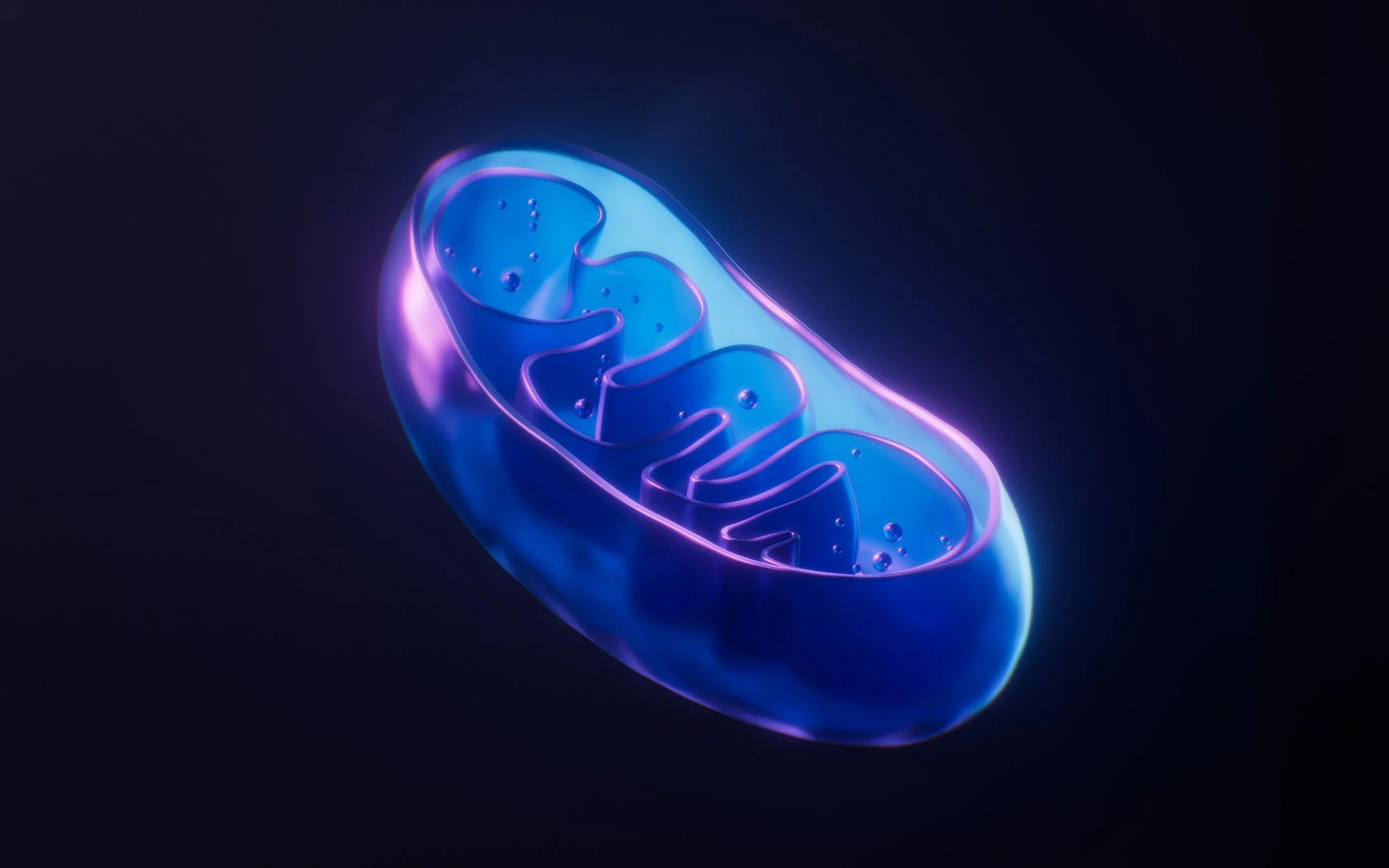
The Power Plants: What Mitochondria Are Actually Doing Inside Every Cell You Have
The word mitochondria may conjure a faint memory from a high school biology class, accompanied by the phrase "powerhouse of the cell." That description is technically accurate, but it captures almost nothing of what these structures actually do or how profoundly they shape every dimension of how you feel, function, and age.

The Parasympathetic State: What the Body Is Actually Doing When You Finally Slow Down
Most people have a vague understanding that rest is good for them. They know they should sleep more, slow down occasionally, and find ways to decompress. What very few people understand is what the body is actually doing during genuine rest: the specific biological processes that are only possible when the nervous system moves out of alert mode and into something far more restorative.

The Sixth Sense: What Proprioception Is and Why It Begins in Your Feet
Most people can name the five classic senses without hesitation. Vision, hearing, smell, taste, touch. What rarely makes that list is the sense that governs nearly every movement you make throughout the day, the one that allows you to walk without watching your feet, reach for a glass in the dark, and adjust your posture without thinking.

The Brain's Hidden Cleaning System: What the Glymphatic System Reveals About the Cost of Poor Sleep
For decades, the study of sleep focused primarily on what the brain does during rest: how memories consolidate, how hormones regulate, how the body repairs muscle tissue, how emotional processing occurs overnight. What scientists did not fully understand was what the brain does to maintain itself, to quite literally clean up after the demands of a full day of activity. That understanding arrived in 2013, when a team of researchers led by neuroscientist Maiken Nedergaard at the University of Rochester made a discovery that would change the way science thinks about sleep and brain health.

The Circadian Code
There is a timing system embedded in nearly every cell of your body. It runs continuously, even when you are not aware of it. It coordinates when hormones are released, when your core temperature peaks and drops, when your liver performs its most intensive metabolic work, when your immune system deploys its strongest defenses, and when your brain consolidates the memories of the day.

The Recovery Gap: What Science Reveals About How the Body Heals After You Push It
Most people who exercise think carefully about what they do during the workout. The miles logged, the weights lifted, the laps completed. What happens in the hours and days afterward receives far less attention, and yet this is when the real work of the body begins.

The Sunshine Molecule: What Vitamin D Is Actually Doing Inside Your Body
It is called a vitamin, but that label is technically wrong. Vitamin D is a hormone. Or more precisely, it is a prohormone, a compound the body converts into an active hormone that reaches nearly every tissue and cell you have.

The Missing Mineral: What Science Reveals About Magnesium and Your Health
There is a mineral involved in more than 300 biochemical reactions in the human body. It participates in the production of cellular energy, the regulation of blood pressure, the synthesis of protein, the control of blood sugar, the transmission of nerve signals, and the contraction and relaxation of muscle tissue. It is the fourth most abundant mineral in the body, present in every cell you have. It is also the mineral that most adults in the developed world are chronically short on, often without knowing it.

Earthing: What Happens to Your Body When Your Feet Connect with the Ground
Most people spend the vast majority of their waking hours insulated from the earth. Rubber-soled shoes, synthetic flooring, and elevated structures keep the body suspended above the ground that humans walked on barefoot for most of our evolutionary history. A growing body of research suggests that this disconnection may carry consequences that are quiet, cumulative, and underappreciated.

The Science of Thirst: What Dehydration Is Actually Doing to Your Body
The human body is roughly 60 percent water. That figure is cited so frequently in wellness contexts that it has lost much of its weight. But consider what it actually means. Water is the medium through which every cellular reaction in your body occurs

The Breath as Medicine: What Science Has Discovered About Intentional Breathing
Of the thousands of things your body does without asking permission, breathing is unique. Your heart beats, your kidneys filter, your liver processes, your immune system patrols, all of it happening in the background without any conscious direction from you. Breathing, however, occupies a rare middle ground. It is simultaneously automatic and voluntary. You can let it run on its own, or you can choose, in any moment, to take full control of it. That duality is not incidental. It is the key to one of the most accessible and underutilized tools in human health.

The Gut-Brain Axis: How Your Digestive System Shapes Your Mood, Energy, and Well-being
Most people think of the brain as the body’s command center, the organ responsible for thought, emotion, and physical sensation. What the emerging science of neurogastroenterology is making increasingly clear is that there is a second intelligence operating quietly in the body, one that runs along a communication highway known as the gut-brain axis. The relationship between these two systems is so profound and so bidirectional that researchers have begun calling the gut the “second brain,” not as a metaphor, but as a description of what is actually happening on a neurological level.

How Your Body Keeps Score: The Science of Stress, Recovery, and Why Summer Is the Perfect Time to Reset
Summer arrives with a particular kind of promise. Longer days, warmer nights, and a collective exhale after months of pushing through. But beneath the season's appeal, many of us are carrying a level of accumulated stress that no vacation calendar can fully resolve. The demands of modern life do not pause simply because the temperature rises. And according to a growing body of research, the way we manage that stress has everything to do with the long-term health of our minds and bodies.

The Cortisol Curve: What Your Stress Hormones Are Actually Doing to Your Body
Most people know cortisol as “the stress hormone.” But that label, while accurate, sells it short. Cortisol is a glucocorticoid produced by the adrenal glands, and it is involved in nearly every major system in the body. It regulates blood sugar, governs the sleep-wake cycle, modulates immune function, shapes mood, and determines how efficiently the body burns energy. Understanding cortisol is not just about managing stress. It is about understanding how the body is supposed to work, and what quietly disrupts that over time.

When the Feet Stop Feeling: Understanding Neuropathy and the Case for Reflexology
Neuropathy is one of the most common and least understood conditions affecting quality of life in adults. It is estimated that more than 20 million Americans live with some form of peripheral neuropathy, and that figure is widely believed to be an undercount. The symptoms are varied and often dismissed: a persistent tingling in the toes, a burning sensation along the sole of the foot, numbness that makes the ground feel unfamiliar underfoot, or stabbing pain that arrives without warning and often intensifies at night.

What Summer Does to Your Body: The Science of Heat, Circulation, and Recovery
Something shifts in the body when summer arrives. It is not merely a change in wardrobe or a shift in social calendar. On a biological level, rising temperatures trigger a cascade of physiological responses that alter how your blood moves, how your muscles recover, how your nervous system regulates, and how much energy your body has left at the end of the day. Most people attribute summer fatigue to being busy, to outdoor heat, or to disrupted routines. The reality is more precise than that, and understanding it can meaningfully change how you care for yourself in the warmer months.