The Power Plants: What Mitochondria Are Actually Doing Inside Every Cell You Have
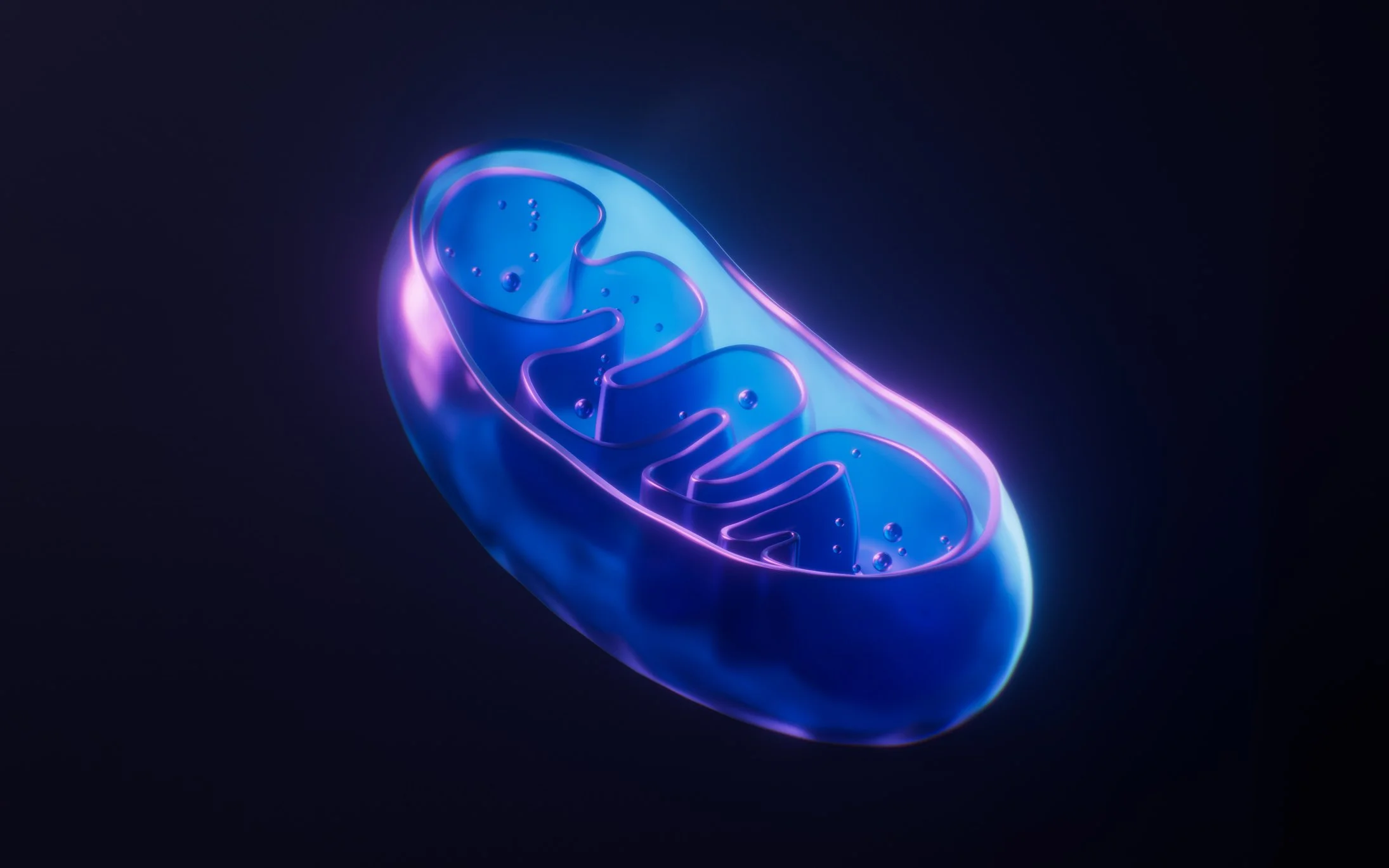
The word mitochondria may conjure a faint memory from a high school biology class, accompanied by the phrase "powerhouse of the cell." That description is technically accurate, but it captures almost nothing of what these structures actually do or how profoundly they shape every dimension of how you feel, function, and age.
Mitochondria are organelles, specialized structures that live inside virtually every cell in your body. Each cell contains hundreds to thousands of them, depending on how energy-intensive that cell's work is. Heart muscle cells may contain up to 5,000. Liver cells carry around 2,000. Even fat cells, which were once thought to be metabolically inert, house their own mitochondrial populations that govern how efficiently the body manages and stores energy.
Their primary job is the production of adenosine triphosphate, or ATP, which is the molecule that powers nearly every biological process in the human body. Every time a muscle contracts, a nerve fires, a hormone is synthesized, a memory is formed, or an immune cell deploys, ATP is consumed. Mitochondria produce it through a process called oxidative phosphorylation, drawing on oxygen and nutrients derived from the food you eat to generate the biochemical currency that keeps every system running.
But mitochondria are far more than energy factories. Over the past two decades, researchers have come to understand that mitochondria are also central to the regulation of cellular death, the modulation of inflammation, the management of calcium signaling, and the coordination of the body's stress response. A 2019 review published in Nature Reviews Molecular Cell Biology described mitochondria as "signaling hubs" that integrate information from inside and outside the cell and help determine how the cell responds. That framing represents a significant shift from the traditional view. Mitochondria are not passive producers. They are active participants in the body's most fundamental regulatory conversations.
This has implications that extend well beyond exercise physiology. Mitochondrial dysfunction, which refers to mitochondria that are damaged, depleted, or operating inefficiently, has now been implicated in an extraordinary range of chronic conditions. These include type 2 diabetes, cardiovascular disease, neurodegenerative disorders including Alzheimer's and Parkinson's, autoimmune conditions, chronic fatigue syndrome, and metabolic syndrome. In each case, the connection runs through the same mechanism: when cells cannot produce energy efficiently, they begin to malfunction, and the downstream effects accumulate across every system the body uses.

The connection to aging is particularly striking. Mitochondria replicate constantly, but they can accumulate damage over time. This damage often takes the form of mutations in mitochondrial DNA, which is separate from the nuclear DNA housed in the cell's nucleus and is particularly vulnerable to oxidative stress, the cellular equivalent of rust. As mitochondria become damaged, they produce more reactive oxygen species, which causes further damage in a compounding cycle. Researchers studying the biology of aging now widely regard mitochondrial decline as one of the central mechanisms driving how the body ages at the cellular level. A 2020 paper published in Cell described mitochondrial dysfunction as one of the nine hallmarks of aging, a framework that has become foundational in longevity science.
What determines how well your mitochondria function? The answer spans nearly every domain of lifestyle. Sleep quality is one of the most direct levers. During deep sleep, the body performs critical cellular repair, and mitochondria are primary beneficiaries. Chronic sleep deprivation has been shown to reduce mitochondrial efficiency and accelerate oxidative stress. Nutrition matters significantly as well. Mitochondria require a consistent supply of specific micronutrients to run their internal machinery. Magnesium, for instance, is essential for more than 300 enzymatic reactions, many of which take place inside mitochondria. CoQ10, alpha-lipoic acid, and B vitamins also play direct roles in the mitochondrial energy production process.
Movement may be the most powerful stimulus of all. Exercise, particularly the kind that challenges the cardiovascular system and then allows for recovery, signals the body to produce new mitochondria through a process called mitochondrial biogenesis. This is why regular, consistent physical activity does not merely make you stronger in the moment; it literally increases the mitochondrial density of your cells, improving the body's capacity to produce and sustain energy over time. Research published in Nature Aging has shown that exercise can partially reverse mitochondrial aging even in older adults who begin training later in life, a finding with significant implications for how we think about longevity.
Chronic stress, as a counterpoint, actively suppresses mitochondrial function. Elevated cortisol over extended periods disrupts the balance between mitochondrial production and degradation, reducing cellular energy capacity and contributing to the fatigue, cognitive fog, and physical depletion that define burnout. The parasympathetic state, the deep physiological rest that the body enters during genuine recovery, creates the conditions mitochondria need to repair, replicate, and function optimally. This is not incidental. It is why recovery, in its truest form, is a biological requirement and not a luxury.
At BAO, every session is designed around that principle. Whether through foot reflexology, which draws circulation toward the extremities and activates the body's deep restorative response, or through body massage that releases accumulated muscular tension and supports lymphatic flow, the sessions create conditions in which the nervous system can downshift and the body's repair mechanisms can engage. The science of mitochondria gives language to something many clients describe but find hard to articulate: the feeling, after a session, of having been genuinely restored rather than simply relaxed.
For most people, the conversation around energy has been limited to caffeine, sleep quantity, and caloric intake. The emerging science suggests that the real conversation begins at the cellular level, inside the mitochondria that power every heartbeat, every thought, and every breath you take. Caring for them, through sleep, nutrition, movement, and genuine recovery, is not wellness in the abstract. It is the most precise investment you can make in how you feel each day and how you age across the years.