The Gut-Brain Axis: How Your Digestive System Shapes Your Mood, Energy, and Well-being

Most people think of the brain as the body’s command center, the organ responsible for thought, emotion, and physical sensation. What the emerging science of neurogastroenterology is making increasingly clear is that there is a second intelligence operating quietly in the body, one that runs along a communication highway known as the gut-brain axis. The relationship between these two systems is so profound and so bidirectional that researchers have begun calling the gut the “second brain,” not as a metaphor, but as a description of what is actually happening on a neurological level.
A Neural Network Below the Belt
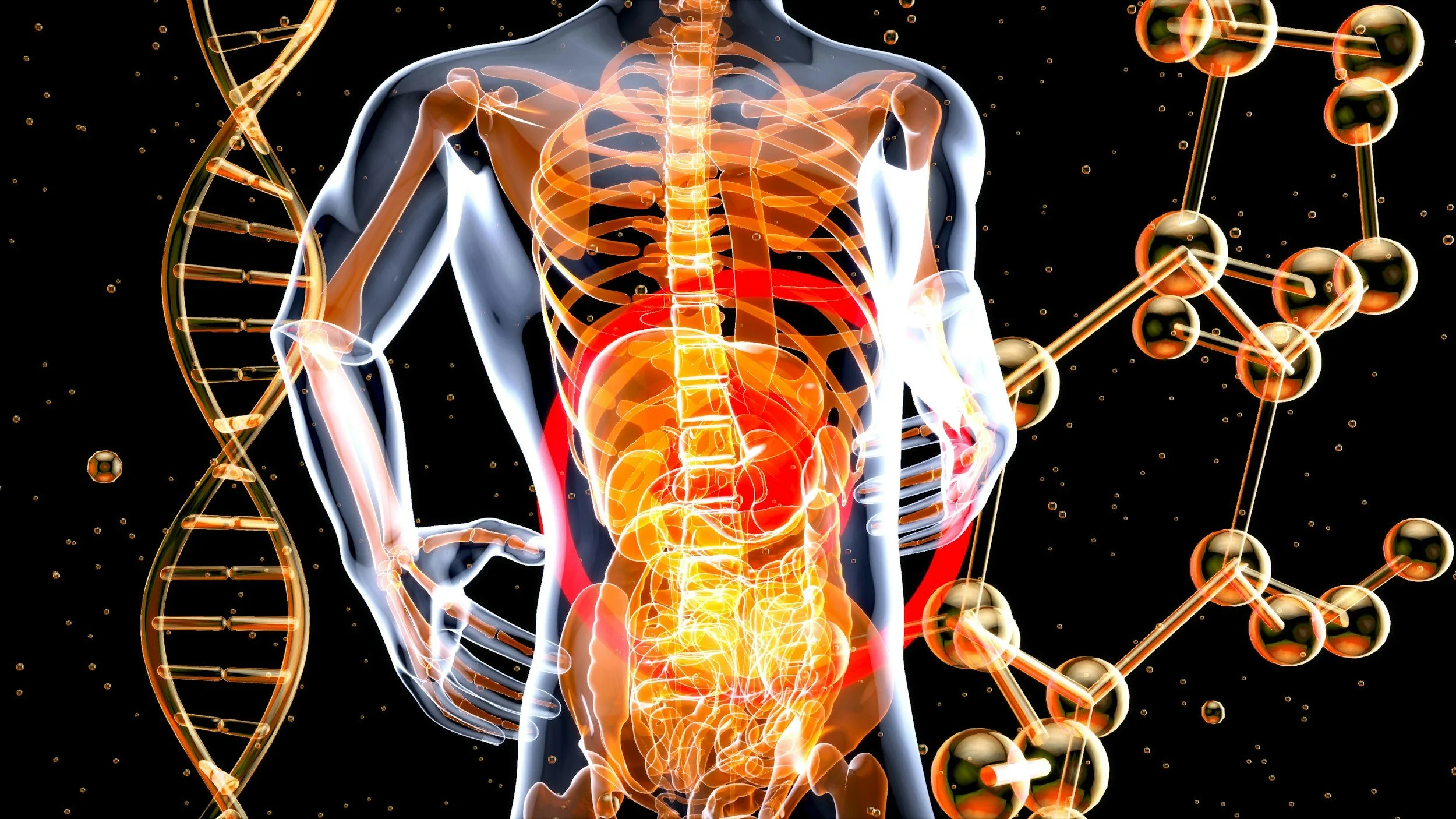
The gut contains more than 500 million neurons, a network so vast and autonomous that it can function independently of the central nervous system. This neural web, known as the enteric nervous system, is embedded in the walls of the gastrointestinal tract and regulates digestion, enzyme secretion, and gut motility without waiting for instructions from above. It communicates with the brain primarily through the vagus nerve, the long, wandering nerve that travels from the brainstem into the abdomen and carries signals in both directions.
Research from Johns Hopkins Medicine has shown that roughly 90 percent of the signals traveling along the vagus nerve originate in the gut and travel upward to the brain, rather than the other way around. This reversal of what many assumed to be a top-down system has significant implications for how we understand mood, cognition, focus, and overall wellbeing. The gut is not simply digesting food. It is actively reporting to the brain, shaping how we feel at every hour of the day.
The Microbiome and Your Mood
Living within the gut are an estimated 38 trillion microorganisms, an ecosystem of bacteria, fungi, and other microbes collectively known as the microbiome. These organisms are not passive inhabitants. They actively produce neurotransmitters, the chemical messengers that govern mood, motivation, anxiety, and sleep. Approximately 90 percent of the body’s serotonin is manufactured in the gut lining, not in the brain. Gut bacteria also produce precursors to dopamine and gamma-aminobutyric acid (GABA), a calming neurotransmitter that plays a central role in reducing anxiety.
Research published in Nature Microbiology has identified measurable correlations between specific strains of gut bacteria and conditions including depression and anxiety. Studies out of University College Cork and the APC Microbiome Ireland Institute have found that individuals with lower microbial diversity tend to report higher rates of psychological distress. This does not mean the microbiome causes depression. It does mean the gut is a meaningful and underappreciated player in mental health, one that most conventional approaches have not yet fully integrated.
How Stress Dismantles the Gut
Chronic stress does not stop at the nervous system. When cortisol remains elevated over time, it alters the speed at which food moves through the digestive tract, increases intestinal permeability, and disrupts the bacterial balance of the microbiome in ways that can take months to reverse. This state of dysbiosis, an imbalance in the gut’s microbial ecosystem, has been linked to systemic inflammation, impaired nutrient absorption, brain fog, and the neurochemical shifts associated with low mood and anxiety.
The feedback loop here is worth understanding. Stress disrupts the gut, and a compromised gut sends distress signals back to the brain through the vagus nerve, which in turn heightens the stress response. Without a conscious intervention, this cycle tends to compound. Many people who experience persistent low-grade anxiety, digestive discomfort, and fatigue simultaneously are living inside this loop without realizing the three symptoms are connected.
What Modern Life Does to the Gut-Brain Axis
The gut-brain axis is particularly vulnerable to the conditions of contemporary life. Diets low in fiber and fermented foods starve the beneficial bacterial populations that produce mood-regulating compounds. Disrupted sleep, which alters cortisol timing, directly impacts the composition of the microbiome. Frequent use of antibiotics, anti-inflammatory medications, and certain acid-reducing drugs can deplete or permanently alter the microbial communities the gut depends on. Even low-level psychological stress, the kind that does not feel dramatic but hums steadily in the background of a full life, gradually erodes gut integrity over time.
Research from the Harvard T.H. Chan School of Public Health has also highlighted the role of ultra-processed food in reducing microbial diversity, even when total calorie intake appears healthy. The gut is exquisitely sensitive to what it is fed, not only in terms of macronutrients, but in terms of the living organisms and the substrates those organisms need to thrive.
Supporting the Gut-Brain Connection
Restoring and maintaining a healthy gut-brain axis requires a whole-body approach. From a dietary standpoint, foods rich in dietary fiber feed the beneficial bacteria that produce serotonin and GABA precursors. Fermented foods such as kimchi, kefir, sauerkraut, and plain yogurt introduce live microbial populations that support diversity. Polyphenol-rich foods including berries, olive oil, and green tea have been shown to selectively nourish beneficial bacterial strains.
Sleep, as with so many aspects of health, is foundational. The circadian system directly regulates gut bacterial populations, and disruptions in sleep timing have been associated with rapid shifts in microbial composition. Reducing exposure to unnecessary pharmaceuticals that affect gut flora, when clinically appropriate and guided by a physician, can also support long-term gut health. Perhaps most significantly, managing the stress response itself is one of the most direct ways to protect the gut-brain axis. When the nervous system is not chronically elevated into fight-or-flight mode, the gut is better able to maintain its bacterial balance, its motility, and its neurochemical output. This is where therapeutic bodywork plays a role that is often underestimated.
Reflexology and the Digestive System
Within the map of reflexology, the digestive system is extensively represented on the soles of the feet. Reflex points corresponding to the stomach, small intestine, large intestine, liver, gallbladder, and pancreas are distributed across the arch and mid-sole. Working these areas during a reflexology session is understood to stimulate circulation to the corresponding organs, relieve tension in the enteric nervous system, and encourage the transition into the parasympathetic state. It is the parasympathetic nervous system, sometimes described as “rest and digest,” that allows the gut to function optimally. When the body is held in the sympathetic, stress-activated state, digestion is suppressed. When it shifts into parasympathetic mode, the gut can do its work.
Clients who receive regular reflexology frequently report improvements not only in digestive comfort, but in mood, energy, and sleep. While reflexology is not a medical treatment for gastrointestinal conditions, it represents a meaningful, non-invasive way to support the body’s own regulatory intelligence. For anyone navigating the connection between a stressed mind and an unhappy gut, it may be one of the most underutilized tools available. To book a Reflexology session at our Beverly Hills or Santa Monica location, visit www.baofootspa.com.
Sources Johns Hopkins Medicine — “The Brain-Gut Connection” (hopkinsmedicine.org) Cryan, J.F. et al. — “The Microbiota-Gut-Brain Axis,” Physiological Reviews, 2019 Valles-Colomer, M. et al. — “The neuroactive potential of the human gut microbiota in quality of life and depression,” Nature Microbiology, 2019 Harvard T.H. Chan School of Public Health — The Nutrition Source: The Microbiome (hsph.harvard.edu) Mayer, E.A. — “Gut feelings: the emerging biology of gut-brain communication,” Nature Reviews Neuroscience, 2011