How Your Body Keeps Score: The Science of Stress, Recovery, and Why Summer Is the Perfect Time to Reset

Summer arrives with a particular kind of promise. Longer days, warmer nights, and a collective exhale after months of pushing through. But beneath the season's appeal, many of us are carrying a level of accumulated stress that no vacation calendar can fully resolve. The demands of modern life do not pause simply because the temperature rises. And according to a growing body of research, the way we manage that stress has everything to do with the long-term health of our minds and bodies.
This summer, the question worth sitting with is not how to push harder, but how to recover smarter. The answers begin from the ground up.
What Chronic Stress Is Actually Doing to Your Body
When the body encounters stress, it mounts a physiological response originally designed for short-term survival. The hypothalamic-pituitary-adrenal axis triggers the release of cortisol, which prepares the body to either fight or flee. Heart rate accelerates. Muscles tense. Digestion slows. Immune activity is temporarily suppressed. In a true emergency, this is an elegant and adaptive system.
The problem is that modern stressors, from relentless work demands to overstimulating screens to the pace of urban life, keep the body in a state of low-grade activation for weeks, months, and years at a time. Research published in Psychoneuroendocrinology found that persistently elevated cortisol is linked to increased inflammation, disrupted sleep, compromised immune response, and a heightened risk of anxiety and depression. The body, in a very literal sense, keeps a running tally of every unaddressed stressor. That debt accumulates quietly until it cannot be ignored.
Activating the Body's Own Reset System
The autonomic nervous system operates in two primary modes: the sympathetic, which governs the stress response, and the parasympathetic, which governs rest, digestion, and repair. The goal of genuine recovery is not simply to stop stressing, but to actively shift the nervous system into parasympathetic dominance, a state sometimes called rest and digest.
Therapeutic touch is one of the most well-documented ways to accomplish this shift. A 45-minute massage session has been shown to lower cortisol levels by as much as 31 percent, according to a study in the International Journal of Neuroscience, while simultaneously increasing serotonin and dopamine, the neurotransmitters most closely associated with emotional wellbeing. The mechanism operates on two levels: mechanical, in that pressure on soft tissue reduces tension and improves circulation, and neurological, in that mechanoreceptors in the skin send signals to the brain that activate the vagus nerve. This major nerve of the parasympathetic system slows the heart rate, calms breathing, and signals the body that it is safe to repair.
At BAO Foot Spa, our Chinese Body Massage is designed precisely for this purpose. Performed over clothing in specially engineered chairs that convert into full massage beds, each session targets the deep muscle layers that hold the most chronic tension, releasing the physical residue of stress that accumulates from long hours at a desk, early morning workouts, or simply the relentless pace of life in Los Angeles.
Why Your Feet Hold More Information Than You Might Expect
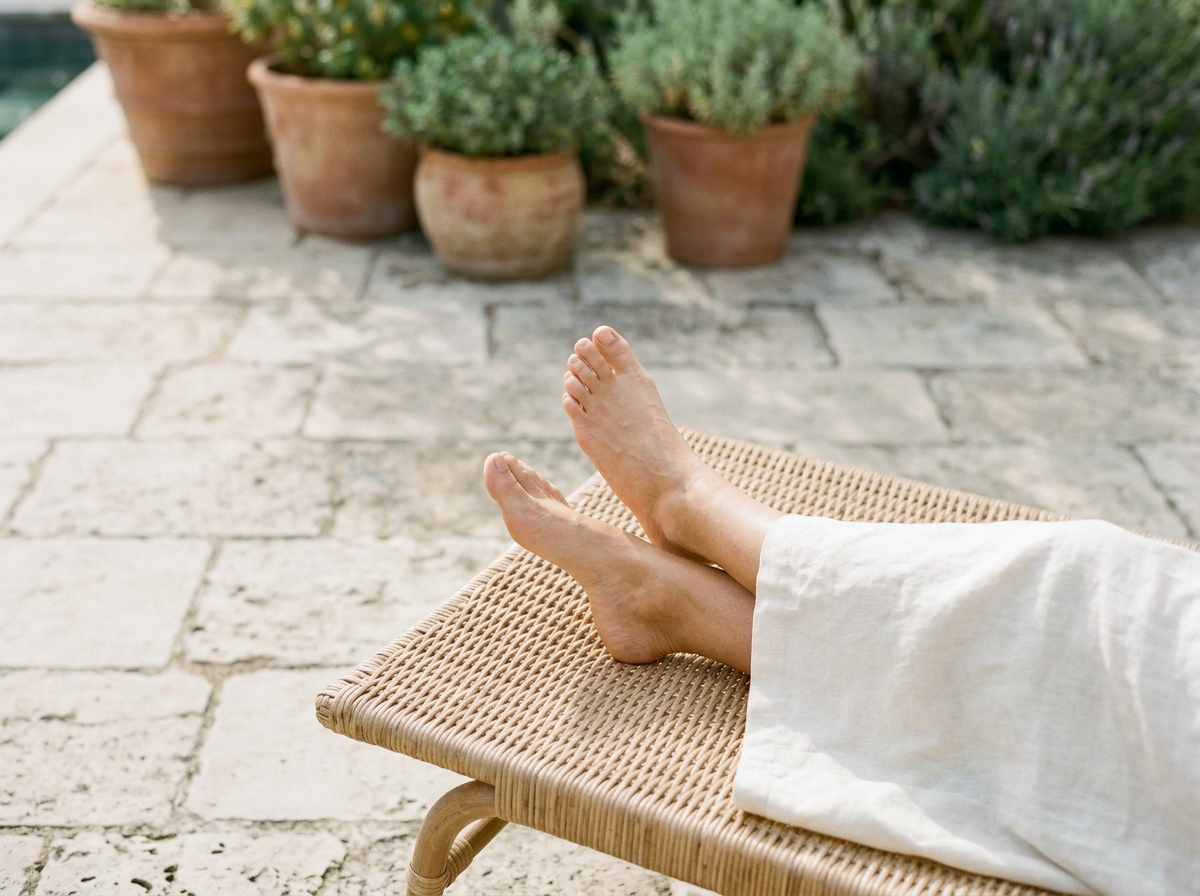
Reflexology operates on a principle that has been practiced in Chinese medicine for thousands of years: that specific points on the feet correspond, through the nervous system, to organs, glands, and regions throughout the body. Applying targeted pressure to these reflex points does not merely feel good. It sends signals along nerve pathways that can support the function of corresponding systems.
A study published in the Journal of Traditional Chinese Medicine found that reflexology significantly reduced anxiety and improved physiological markers of stress in participants over a four-week treatment period. Practitioners often describe the experience as a neurological conversation with the body, one that can surface areas of imbalance or sensitivity that might not yet have manifested as obvious symptoms. When a particular reflex point is tender, it is generally understood as an indicator that the corresponding organ or system is under strain and may benefit from support.
This is why reflexology pairs so naturally with broader body work. The two modalities address the body through different access points but toward the same end: genuine, systemic relaxation rather than the surface relief that fades within hours. Our Reflexology treatments at BAO Foot Spa combine this ancient practice with modern therapeutic technique to offer something that genuinely shifts how your body feels, not just while you are on the table.
Why Summer Is Particularly Well-Suited for This Kind of Reset
Heat has a meaningful effect on the body's circulatory system. In warmer months, blood vessels dilate in order to help the body regulate temperature, which means that therapeutic touch during summer can have an amplified effect on blood flow and lymphatic drainage. This increased circulation helps the body clear metabolic waste from the muscles more efficiently and reduces the swelling that summer heat often brings to the lower extremities, particularly the feet and ankles.
Summer is also a season of higher physical activity for many people, whether that means longer runs along the beach, early morning fitness classes, or simply more time on their feet exploring the city. Active bodies accumulate microscopic muscle damage as a natural byproduct of exercise, and the speed at which they recover determines how well they perform over time. Research from the American Journal of Physical Medicine and Rehabilitation found that massage therapy following exercise significantly reduced delayed onset muscle soreness and accelerated functional recovery. Our Sport Massage at BAO is designed for exactly this: to open the muscles, restore range of motion, and prepare the body for whatever comes next.
Building Recovery Into the Season
The most effective approach to wellness is not reactive. It is not waiting until the body is in visible distress before giving it attention. Think of regular therapeutic massage and reflexology the way you might think of consistent exercise or nourishing food: something that sustains and improves baseline function, rather than something you reach for only in crisis.
At BAO Foot Spa, our Santa Monica and Beverly Hills locations are designed around exactly this philosophy. Our therapists are trained to meet you where you are, adjusting pressure and technique to whatever your body needs in that moment. For those who want to make this a true summer practice, our membership options make regular sessions both convenient and genuinely accessible. Your body has been working extraordinarily hard. This summer, give it the reset it has earned.
Book your session at BAO Foot Spa in Santa Monica or Beverly Hills at baofootspa.com.
Sources
Psychoneuroendocrinology: cortisol and chronic stress. | Field, T. et al. "Cortisol Decreases and Serotonin and Dopamine Increase Following Massage Therapy," International Journal of Neuroscience. | Journal of Traditional Chinese Medicine: reflexology and anxiety reduction. | American Journal of Physical Medicine and Rehabilitation: massage therapy and exercise recovery.