

The Recovery Gap: What Science Reveals About How the Body Heals After You Push It
Most people who exercise think carefully about what they do during the workout. The miles logged, the weights lifted, the laps completed. What happens in the hours and days afterward receives far less attention, and yet this is when the real work of the body begins.

The Lymphatic System: Your Body's Hidden Detox Network
The lymphatic system, a vast and intricate network running alongside the circulatory system, is the body's primary detoxification and immune surveillance infrastructure. It is largely invisible in daily life, and that invisibility may be precisely why it is so often overlooked.
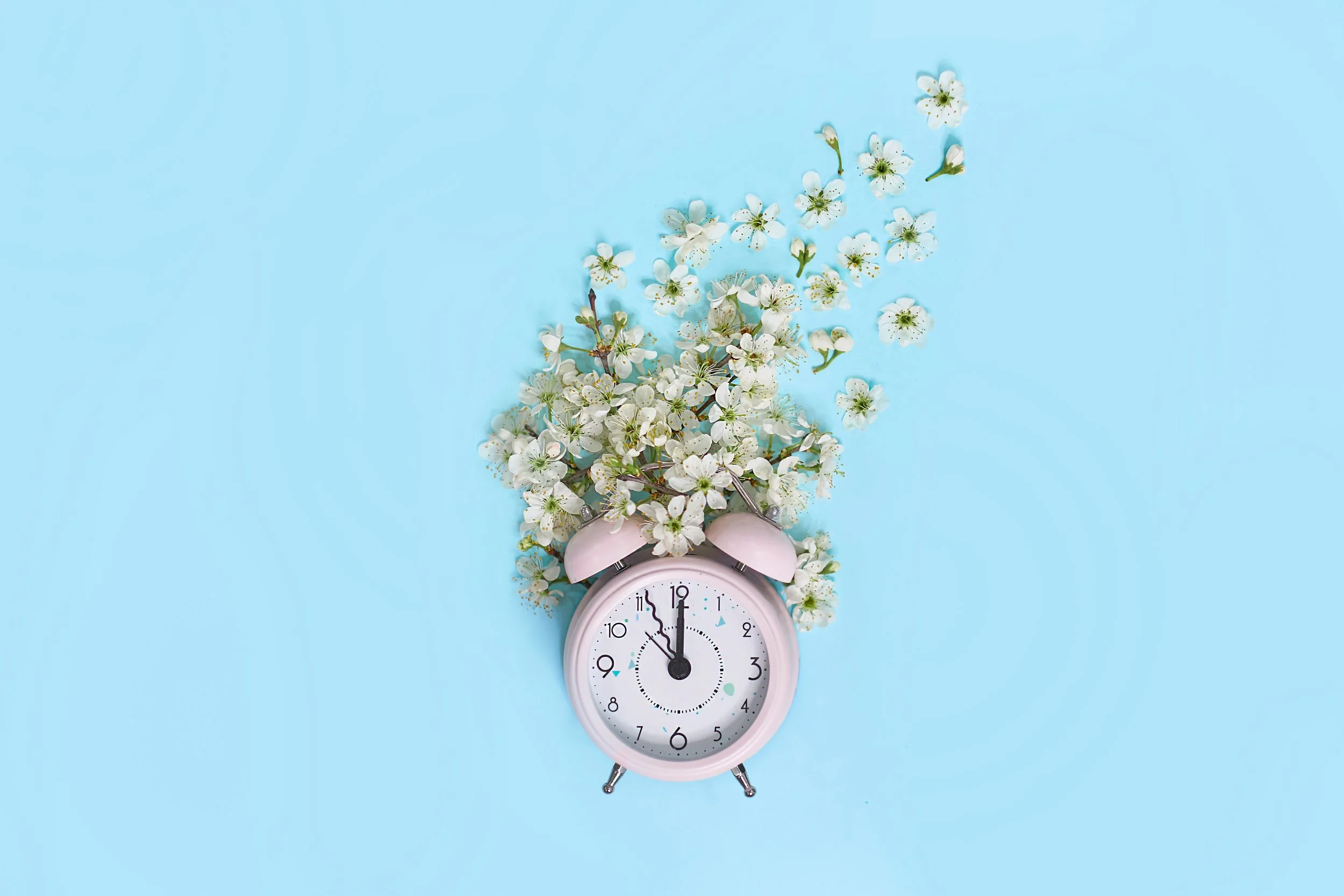
The Science of Losing an Hour: What Daylight Saving Time Does to the Body
Every spring, the clock moves forward by one hour. It appears minor on paper. Just sixty minutes. And yet, for many people, the shift feels disproportionate to its size. Sleep feels lighter. Mornings feel abrupt. Mood feels slightly unsettled. Concentration dips. The body feels off.
This reaction is not imagined. It is biological.
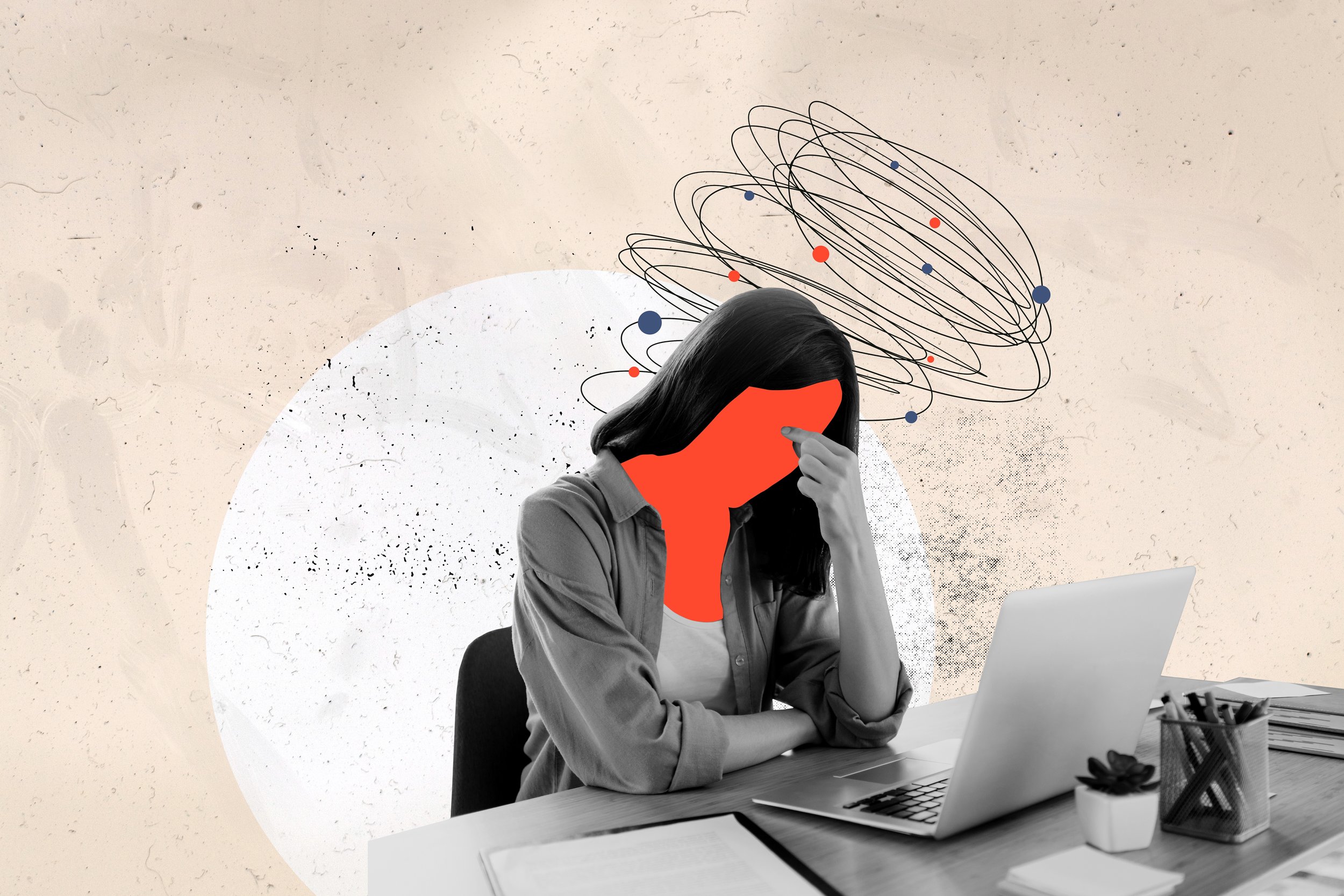
How Subtle Daily Stress Shows Up in the Body
Not all stress announces itself loudly. Some stress is sharp and obvious, tied to major events or crises. But much of what shapes how we feel each day is quieter. It comes from small interruptions, low grade pressure, background worry, constant notifications, emotional restraint, and the subtle sense of always being slightly behind.

Eight Benefits of Having a Full Night's Sleep
Whereas there will undoubtedly be ebbs and streams to your resting designs, we trust typically sufficient prove to persuade you to point for seven to eight hours a night so your intellect and body can completely harvest all the benefits.