How Subtle Daily Stress Shows Up in the Body
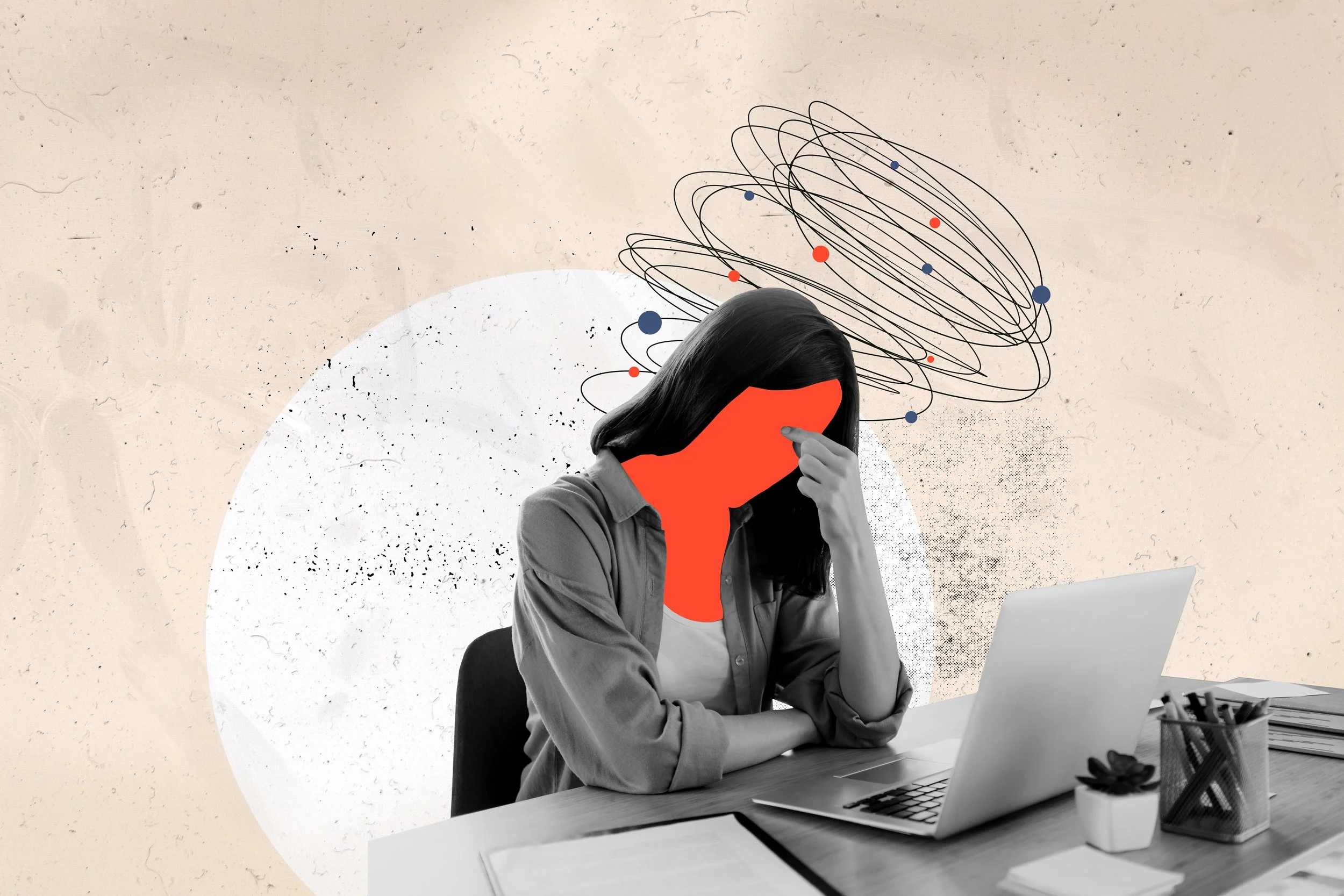
Not all stress announces itself loudly. Some stress is sharp and obvious, tied to major events or crises. But much of what shapes how we feel each day is quieter. It comes from small interruptions, low grade pressure, background worry, constant notifications, emotional restraint, and the subtle sense of always being slightly behind.
This form of stress rarely feels dramatic. It feels normal. And that is precisely why it accumulates.
The body does not distinguish between a major threat and repeated minor strain in the way we might assume. While the intensity differs, the physiological response follows the same pathways. The nervous system activates. Muscles prepare. Breath shifts. Hormones adjust. When this pattern repeats daily without full resolution, the body begins to store it.
Understanding how subtle stress manifests physically allows us to respond before it becomes chronic tension, fatigue, or burnout.
The Nervous System Does Not Grade Stress
The stress response is designed for survival. When the brain perceives a demand, whether physical or psychological, it activates the sympathetic nervous system. Heart rate increases slightly. Muscles engage. Cortisol and adrenaline circulate.
According to research from the American Psychological Association, even everyday stressors such as time pressure, interpersonal conflict, or digital overload can trigger measurable physiological responses. These responses are adaptive in the short term. They become problematic when they are continuous.
Subtle daily stress keeps the body in a state of mild readiness. It may not feel like panic, but it prevents full relaxation.
Muscle Tension as a Default Setting
One of the earliest signs of ongoing low grade stress is muscle tension. It often gathers in predictable areas such as the jaw, shoulders, neck, and lower back.
Many people are unaware that they are clenching their jaw while concentrating or lifting their shoulders while reading emails. Over time, this repeated contraction becomes habitual. The body forgets what full release feels like.
Harvard Health Publishing explains that chronic stress can increase baseline muscle tone, meaning muscles remain partially contracted even at rest. This sustained contraction restricts circulation and contributes to stiffness and discomfort.
The tension did not begin as pain. It began as preparation.
Breath That Never Fully Drops
Subtle stress often changes the way we breathe. Under pressure, breathing becomes shallower and more chest dominant. The diaphragm, which supports deep breathing and parasympathetic activation, becomes less engaged.
This shift may be so slight that it goes unnoticed. Yet over time, shallow breathing reinforces the stress response. Oxygen exchange becomes less efficient. The body interprets the pattern as continued alertness.
The Cleveland Clinic notes that chronic shallow breathing can contribute to fatigue, dizziness, and increased anxiety sensitivity. When breath remains elevated, the nervous system rarely receives a signal that it is safe to settle.
Digestive Changes That Seem Minor
Digestion is another system highly sensitive to stress. When the body perceives demand, it prioritizes survival functions over restorative processes. Blood flow shifts away from the digestive tract toward muscles and the brain.
Subtle daily stress can therefore show up as bloating, slower digestion, changes in appetite, or mild discomfort after meals. These symptoms may not feel dramatic, but they reflect the body’s reallocation of resources.
Research published in the journal Neurogastroenterology and Motility highlights the connection between stress hormones and gastrointestinal function. Even low level psychological strain can alter digestive rhythm.
The body interprets tension as a signal to conserve.

Sleep That Feels Light but Not Disrupted
Chronic high stress often leads to obvious sleep disruption. Subtle stress is more nuanced. Sleep may not be dramatically shorter, but it feels lighter. There may be more brief awakenings or less deep sleep.
The National Institutes of Health describe how elevated evening cortisol levels can fragment sleep architecture without causing full insomnia. People may wake feeling unrefreshed without knowing why.
Sleep reflects the body’s ability to fully downshift. When subtle stress accumulates, downshifting becomes incomplete.
Emotional Reactivity and Reduced Patience
The body stores stress not only in muscles but in reactivity. When the nervous system operates near its threshold, tolerance decreases. Minor inconveniences feel larger. Patience shortens. Sensitivity increases.
This is not a character flaw. It is a sign that regulatory capacity is being taxed.
Psychologist Stephen Porges, known for his work on polyvagal theory, emphasizes that when the nervous system does not feel sufficiently safe, social engagement and emotional flexibility decline. Subtle stress narrows bandwidth.
Why Subtle Stress Often Goes Unaddressed
Because subtle stress does not feel urgent, it is often ignored. There is no single moment that demands intervention. Instead, it slowly reshapes baseline functioning.
The body adapts to this new baseline. Tension becomes normal. Fatigue becomes expected. Irritability becomes rationalized.
Without intentional regulation, the system rarely resets itself completely.
Supporting the Body Before Burnout
The goal is not to eliminate all stress. Stress is part of living. The goal is to complete the stress cycle regularly so it does not accumulate.
Gentle movement helps discharge muscular holding patterns. Slow breathing stimulates the vagus nerve and supports parasympathetic activation. Time outdoors regulates circadian rhythm. Meaningful connection reinforces emotional safety.
The World Health Organization recognizes chronic stress as a contributing factor to numerous physical and mental health conditions. Early regulation is preventative care.
Subtle stress requires subtle intervention. It responds to consistency more than intensity.
A Different Relationship With Stress
Rather than waiting for exhaustion or pain to signal that something must change, it can be helpful to develop awareness of small shifts. Tight shoulders. Shallow breath. Irritation without clear cause. Digestive discomfort after a demanding day.
These are not inconveniences. They are information.
When we respond to early signals with warmth and regulation, the body returns to baseline more easily. Stress does not need to accumulate to prove its legitimacy.
Conclusion
Subtle daily stress rarely makes headlines in our lives. It does not demand attention. It quietly reshapes the body’s baseline through muscle tension, altered breath, digestive shifts, lightened sleep, and reduced emotional flexibility.
Recognizing these patterns is not about pathologizing normal experience. It is about honoring the body’s communication before it becomes louder.
The body does not require perfection to function well. It requires periodic release, safety, and consistency. When subtle stress is met with small, steady acts of regulation, resilience strengthens quietly, just as tension once did.