The Science of Thirst: What Dehydration Is Actually Doing to Your Body
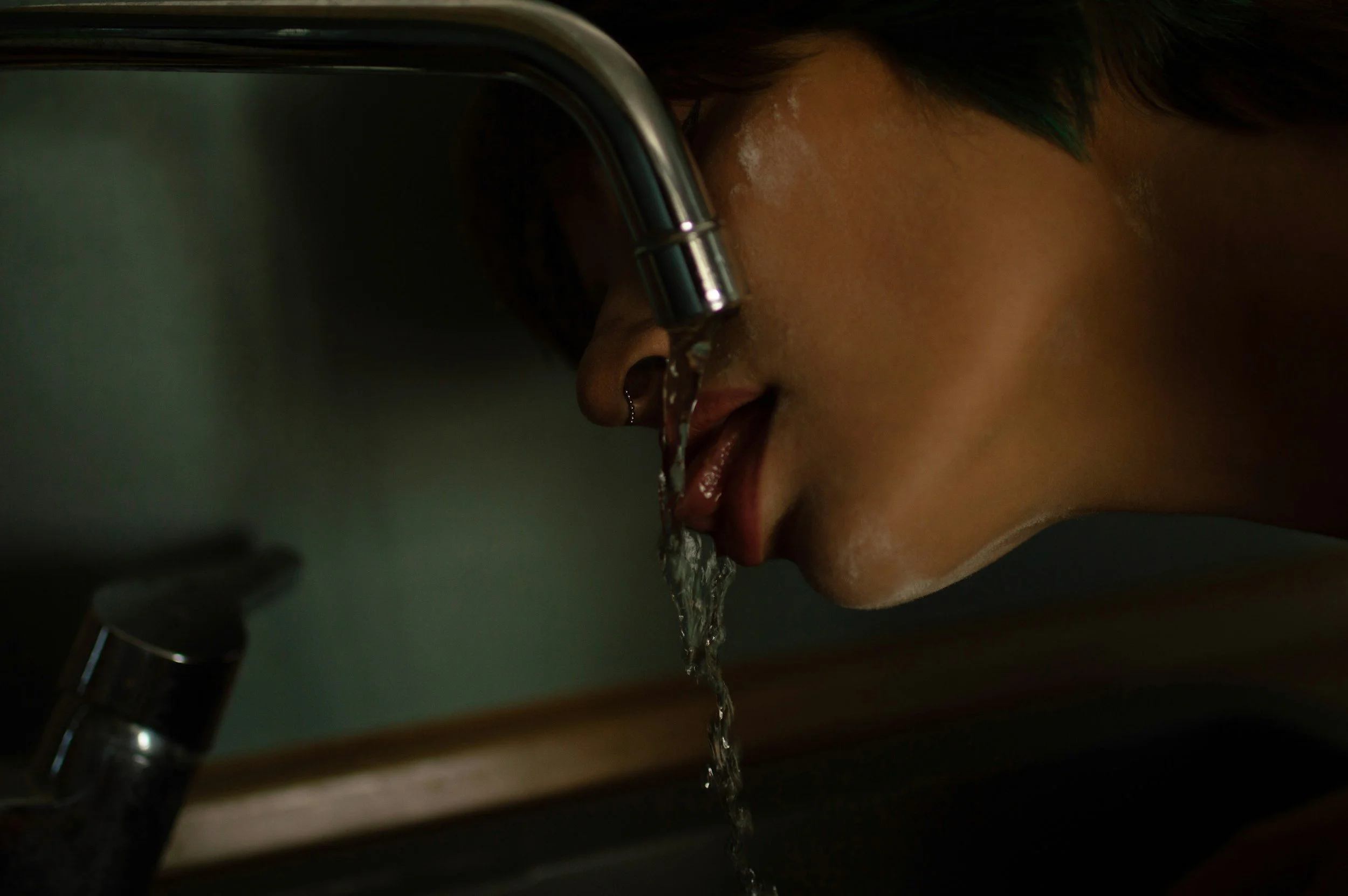
The human body is roughly 60 percent water. That figure is cited so frequently in wellness contexts that it has lost much of its weight. But consider what it actually means. Water is the medium through which every cellular reaction in your body occurs. It is the solvent that carries nutrients to your cells, the fluid that cushions your joints, the mechanism through which your body regulates temperature, and the system by which metabolic waste is transported and removed. When water levels drop, even modestly, the effects ripple through nearly every system in the body. And yet, most people move through the summer months in a mild state of chronic dehydration without ever recognizing it for what it is.
Understanding what dehydration actually does to the body is not merely a matter of drinking more water. It is about recognizing the body's early signals, understanding why summer amplifies the risk, and learning how to support your hydration in ways that are physiologically meaningful rather than performative.
Thirst Is a Late Signal
One of the most important things to understand about hydration is that thirst is not a reliable early warning system. By the time thirst becomes consciously noticeable, the body is already operating at a measurable deficit. Research consistently shows that thirst typically registers at approximately a 1 to 2 percent decrease in total body water. That sounds minor, but it is not.
A study published in the British Journal of Nutrition found that even mild dehydration of around 1.4 percent impaired cognitive performance, increased perceived task difficulty, increased fatigue, and reduced concentration in healthy young women. A separate investigation from the University of Connecticut's Human Performance Laboratory found similar cognitive effects in men at the same dehydration threshold, particularly affecting mood and working memory. The takeaway is counterintuitive but worth internalizing: if you feel thirsty, you are already behind.
In summer, this gap widens further. Heat accelerates fluid loss through perspiration even during minimal physical activity. Air conditioning, while cooling, can dry out the air and draw moisture from the body through respiration. Alcohol and caffeine, both commonly consumed in summer social settings, have diuretic effects that increase fluid output. The result is that many people end a summer day significantly more dehydrated than they realize, attributing their fatigue or mental fog to the heat rather than recognizing its true source.
What Dehydration Does to the Brain
The brain is one of the most water-dense organs in the body, composed of approximately 73 to 75 percent water. It is also one of the first to register the consequences of dehydration. When hydration levels drop, brain tissue experiences a slight but measurable decrease in volume. The brain registers this shift through a hormonal chain involving the hypothalamus, which signals the pituitary gland to release vasopressin, an antidiuretic hormone that instructs the kidneys to conserve water. But while this conservation response kicks in, cognitive function is already being affected.
Concentration narrows. Reaction time slows. Short-term memory becomes less reliable. Mood is affected, with research from the Journal of Nutrition linking mild dehydration to increased headache frequency, reduced alertness, and elevated perception of effort during everyday tasks. For anyone navigating a demanding workday or trying to feel mentally clear during a summer afternoon, mild dehydration is a quiet but consistent drain on capacity.
The Circulatory System Under Pressure
Blood plasma, the liquid component of blood, is approximately 90 percent water. When hydration falls, plasma volume decreases, which means blood becomes more viscous and more difficult for the heart to pump efficiently. The heart responds by beating faster to maintain adequate circulation to vital organs, a process that places additional strain on the cardiovascular system.
In summer, this dynamic is compounded by the body's natural response to heat. To cool itself, the body shunts blood toward the skin, which increases surface heat dissipation but also reduces the blood available to supply muscles and internal organs. When dehydration is layered on top of this thermoregulatory demand, circulation to the extremities, particularly the lower legs and feet, can become sluggish. This is why feet and ankles tend to swell in warm weather, a condition known as peripheral edema, and why that swelling is more pronounced in people who are poorly hydrated.
Healthy circulation is fundamental to how the body feels. When circulation is compromised, tissues receive less oxygen and nutrients, waste products are cleared more slowly, and the sensation of heaviness or fatigue in the legs and feet becomes more pronounced. For those who spend long hours on their feet or in sedentary positions, this cumulative circulatory burden can become significant over the course of a summer day.
Muscles, Recovery, and the Role of Water
Muscle tissue is approximately 75 percent water, making hydration directly linked to both muscular performance and recovery. Water is essential for the delivery of glycogen to muscles during activity and for the removal of metabolic byproducts like lactic acid afterward. When dehydration is present, this exchange becomes less efficient.
The result is muscle soreness that lingers longer than it should, stiffness that does not fully resolve overnight, and a reduced ability to generate force during physical activity. For athletes and active individuals, this has direct performance implications. But even for those whose activity is modest, chronic low-level dehydration can contribute to the kind of body tension and physical discomfort that many people attribute simply to getting older or working too hard, when in fact it is partly a hydration issue that is quietly compounding.
The Lymphatic System and Fluid Balance
The lymphatic system, which runs parallel to the circulatory system throughout the body, is the body's primary mechanism for immune surveillance and waste clearance. Unlike the cardiovascular system, it has no central pump. It relies instead on muscle movement, breathing, and adequate hydration to keep lymph fluid moving through its network of vessels and nodes.
When the body is well hydrated, lymph fluid flows with reasonable efficiency. When hydration is poor, the system slows. Waste accumulates more readily in tissues, immune response can become sluggish, and the sensation of puffiness or heaviness, particularly in the legs and feet, becomes more common. This is one reason why adequate hydration is consistently emphasized in anti-inflammatory and immune-supportive wellness protocols. It is not simply about the water itself. It is about keeping the body's internal drainage and defense infrastructure moving.

Skin, Connective Tissue, and the Summer Feet
Skin is the body's largest organ and one of the most sensitive indicators of hydration status. Well-hydrated skin has greater elasticity, a more even texture, and a more resilient barrier function. Dehydrated skin loses suppleness, becomes more prone to irritation and sensitivity, and heals more slowly from minor damage. In summer, the combination of sun exposure, salt water, chlorine, and dry air from air conditioning creates a perfect storm of dehydrating conditions for the skin.
For the feet specifically, this matters more than most people realize. The skin on the soles of the feet is among the thickest anywhere on the body, but it is also heavily used and often neglected in hydration routines. When general hydration is poor and skin on the feet is not receiving adequate moisture from within, dryness, cracking, and sensitivity become more likely. These are not merely cosmetic concerns. Cracked heels and dry, fragile foot skin can be gateways to infection and can alter gait in subtle ways that then affect the ankles, knees, and lower back.
The feet are also where much of the circulatory and lymphatic stress of a summer day becomes most visible. Swelling in the ankles and feet after a long day of heat and activity is a sign that the body's fluid balance has been strained. Regular foot care, including treatments that promote circulation and support lymphatic drainage, can meaningfully address this stress and help the body rebalance more efficiently.
How to Hydrate More Intelligently This Summer
The standard recommendation of eight glasses of water a day is a useful baseline, but it does not account for body size, activity level, heat exposure, or the diuretic effect of beverages like coffee and alcohol. A more physiologically accurate approach is to aim for pale yellow urine as a consistent daily benchmark, which indicates adequate but not excessive hydration. Darker urine, particularly in the afternoon, is usually a reliable signal that intake needs to increase.
Electrolytes deserve mention here, because water alone is not always sufficient. Sodium, potassium, and magnesium are essential for the body to actually retain and use the water it takes in. Electrolytes facilitate the movement of water into cells rather than allowing it to pass through the system too quickly. In summer, when sweating is more frequent, electrolyte loss increases and the value of replenishing them through food (bananas, leafy greens, avocado, nuts) or a clean electrolyte supplement becomes more significant.
Foods with high water content also contribute meaningfully to total hydration. Cucumbers, watermelon, celery, strawberries, and zucchini are all above 90 percent water by weight, and incorporating them into summer meals adds a layer of hydration that feels effortless compared to drinking additional glasses of water. Herbal teas, served cold or at room temperature, are another gentle way to increase intake without the diuretic effect of caffeinated beverages.
Perhaps most importantly, hydration should be approached as a continuous practice rather than a reactive one. Drinking water only when thirsty is, as noted, responding to a signal that arrives late. The more effective approach is to create gentle rhythms throughout the day: water in the morning before coffee, water with meals, and deliberate intake in the early afternoon when the combination of heat and activity makes fluid loss most significant.
Supporting Your Body From the Ground Up
Hydration is foundational, but it works best when the body's circulation and lymphatic pathways are also functioning well. Even with excellent water intake, a body that is sedentary, tense, or carrying accumulated stress will struggle to distribute and use that fluid efficiently. This is where complementary approaches to wellness become relevant.
Reflexology works through specific pressure points on the feet that correspond to organs, glands, and systems throughout the body. By stimulating these reflex zones, a session supports circulation, encourages lymphatic drainage, and helps the nervous system shift into a more restorative state. For people who spend the summer on their feet, or who notice swelling, heaviness, or fatigue in the lower extremities, reflexology can be a meaningful part of a summer recovery practice.
At BAO Foot Spa, both our Reflexology and Reflexology+ treatments are designed to address exactly this kind of cumulative physical stress. Whether you add a Chinese Body Massage for broader tension release or book a focused foot session, the effect is the same: a body that is less congested, more circulatory, and better equipped to recover from the demands of a summer day.
Appointments are available at our Beverly Hills and Santa Monica locations. Come in well hydrated, and we will take care of the rest.
Sources
Ganio MS, et al. "Mild dehydration impairs cognitive performance and mood of men." British Journal of Nutrition, 2011. Armstrong LE, et al. "Mild dehydration affects mood in healthy young women." Journal of Nutrition, 2012. Popkin BM, D'Anci KE, Rosenberg IH. "Water, hydration, and health." Nutrition Reviews, 2010. Kenney WL, Chiu P. "Influence of age on thirst and fluid intake." Medicine and Science in Sports and Exercise, 2001. Jéquier E, Constant F. "Water as an essential nutrient: the physiological basis of hydration." European Journal of Clinical Nutrition, 2010.