The Hidden Web Inside You: What Fascia Is and Why It Shapes How Your Body Feels
Most conversations about body tension focus on the obvious candidates: tight muscles, sore joints, and overworked ligaments. But there is a layer of tissue running through every region of your body that rarely enters the conversation, and its influence on how you feel, move, and recover is far greater than most people realize. It is called fascia, and understanding it may change the way you think about physical discomfort entirely.
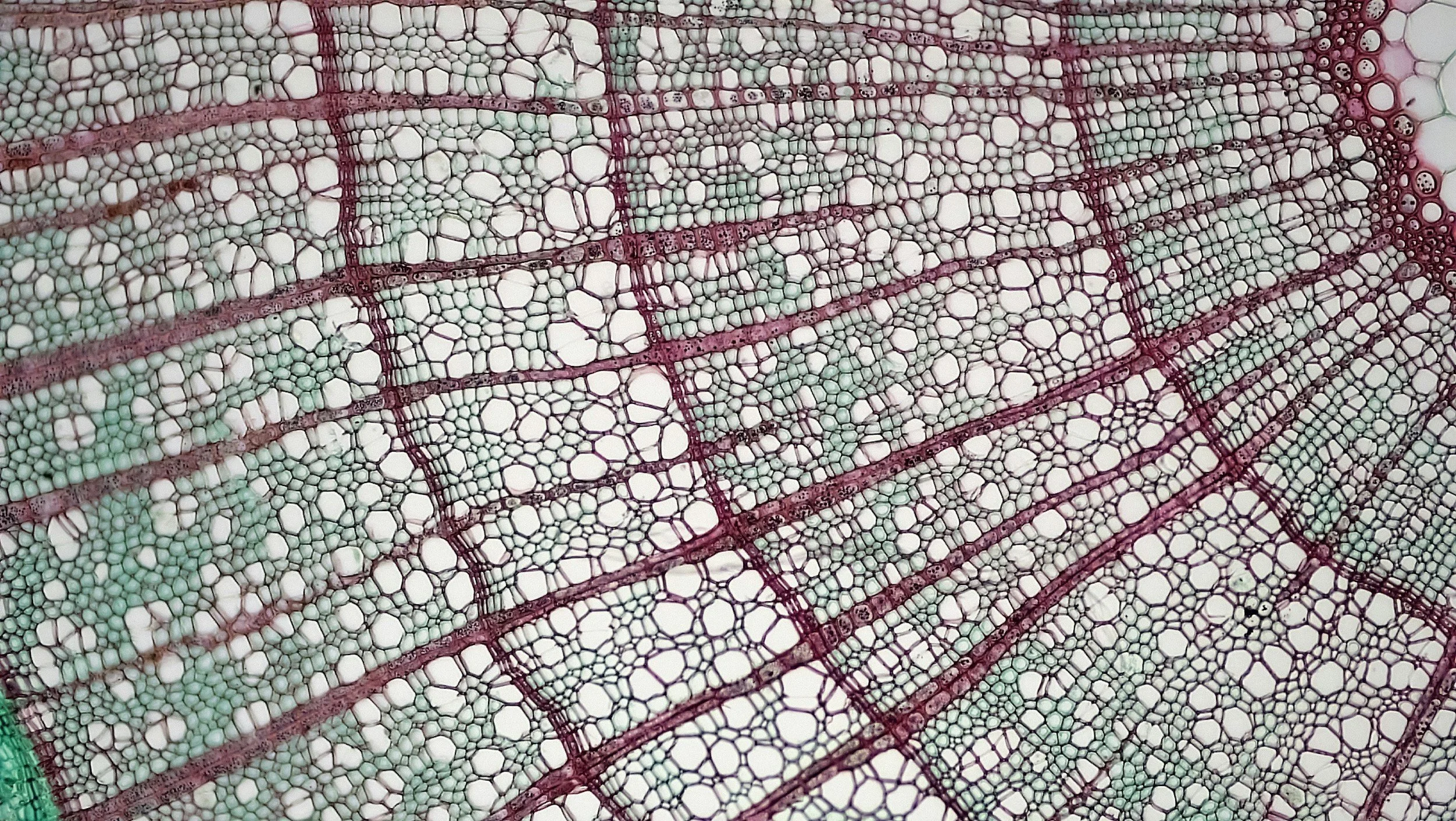
Fascia is a continuous sheet of connective tissue made primarily of collagen. It surrounds and penetrates every muscle, organ, nerve, and blood vessel in the body, holding everything in place while simultaneously allowing for movement and communication between systems. When it is healthy, fascia is pliable, slippery, and almost fluid in its quality. When it becomes restricted, it can harden, thicken, and create patterns of pain and tension that resist conventional stretching or strengthening. This distinction matters enormously, because many instances of chronic tightness, unexplained pain, and limited mobility are rooted not in the muscles themselves but in the fascial tissue surrounding them.
A System the Body Relies on Silently
Fascia is often described as the body's internal architecture. Think of it as a three-dimensional web that gives shape to the body from the inside out. It connects the sole of your foot to the back of your calf, your calf to the back of your thigh, and your thigh to the muscles running along either side of your spine. This means that tension or restriction in one area does not simply stay local. It pulls on the broader fascial network, creating downstream effects that can manifest as symptoms far from the original source.
Research published in the Journal of Bodywork and Movement Therapies has described the fascial system as a sensory organ in its own right, containing a dense network of mechanoreceptors that communicate continuously with the nervous system. These receptors respond to pressure, stretch, and movement, sending signals that influence posture, proprioception, and even the body's stress response. This is why manual therapy that addresses the fascial layers can produce effects that extend well beyond the area being treated.
Why Fascia Becomes Restricted
Fascial restriction develops through a combination of factors that are remarkably common in modern life. Prolonged sitting is one of the most consistent contributors. When the body remains in a fixed posture for hours, the fascia in the hips, lower back, chest, and the backs of the legs begins to adapt to that shape. Over time, it loses its natural glide and starts to behave more like dried leather than supple fabric.
Dehydration also plays a significant role. Healthy fascia is approximately 70 percent water, and its ability to move freely depends on that hydration. When the body is chronically under-hydrated, fascial tissue becomes denser and less responsive. Physical trauma, repetitive strain injuries, and even emotional stress can trigger what researchers refer to as fascial densification, a process in which the ground substance of the fascia loses its fluid quality and becomes more viscous and resistant to movement.
Chronic psychological stress is particularly notable here. The fascia responds to the autonomic nervous system, and when the body remains in a prolonged state of sympathetic activation, the fascial tissue tends to contract and stiffen as part of the same protective bracing response that tightens the muscles. This is one reason why stress so often manifests as physical tension, and why addressing only the muscular layer without attending to the fascia often produces temporary relief at best.
Recognizing the Signs of Fascial Tension
Fascial restriction does not always announce itself with sharp pain. More often, it presents as a vague, pervasive sense of tightness that does not resolve with conventional stretching. You may notice that certain areas of your body feel dense or resistant even when you are relaxed. You may experience stiffness in the morning that takes longer than usual to ease. Some people describe a feeling of being "wrapped too tightly," particularly across the shoulders, chest, or hips.
Referred pain, where discomfort appears in a location that is distant from the actual source of restriction, is another hallmark of fascial involvement. Foot pain that worsens with prolonged standing, tension headaches that originate in the base of the skull, and lower back discomfort that feels disproportionate to any specific injury are all patterns that warrant consideration of the fascial system. Because fascia does not show up on standard imaging like X-rays or MRIs, its role in chronic pain is frequently overlooked in conventional medical assessments.
How Manual Therapy Addresses the Fascial Layer
The most effective approach to fascial restriction involves sustained, moderately deep pressure applied slowly enough to allow the tissue to respond. Unlike rapid, percussive techniques that primarily address the muscle belly, fascial work requires a pace that respects the viscoelastic nature of connective tissue. Fascia does not release immediately. It softens gradually in response to sustained loading, a property sometimes described as creep, in which the tissue yields and lengthens when gentle, consistent force is maintained over time.
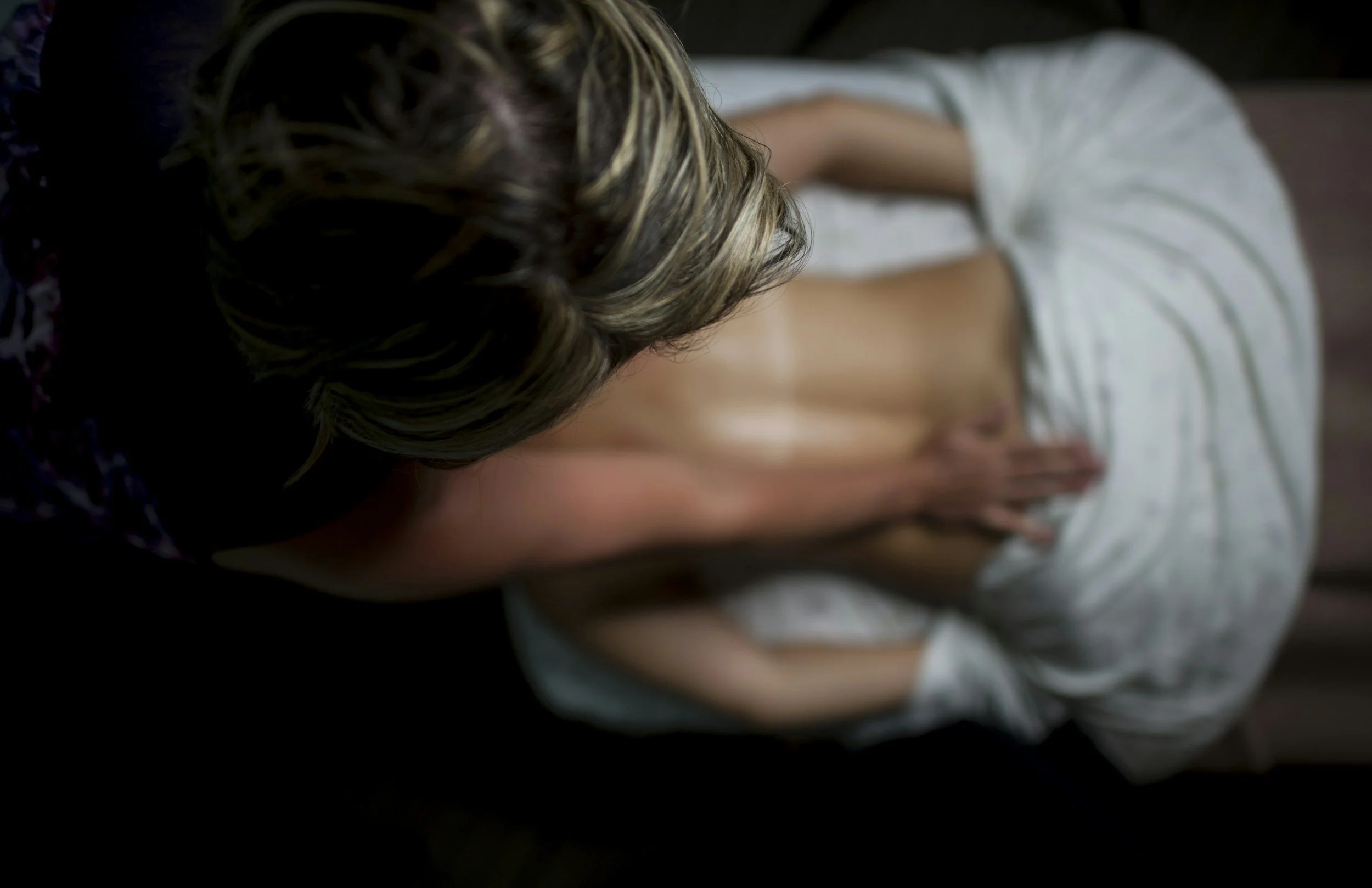
This is precisely why the Chinese Body Massage at BAO Foot Spa is so effective for people carrying patterns of deep, chronic tension. The treatment addresses the full length of the back, shoulders, and limbs with sustained, targeted pressure that allows the fascial layers to respond and release. It is not a surface-level treatment. It works into the tissue at a depth that activates the nervous system's relaxation response while simultaneously addressing the structural restrictions that have built up over time.
For those whose fascial tension is linked to physical training or athletic activity, the Sport Massage at BAO addresses the specific patterns of restriction that develop through repeated high-load movement. Runners, cyclists, gym athletes, and anyone whose body undergoes regular physical strain accumulates fascial density in predictable areas, including the calves, iliotibial band, hip flexors, and thoracic spine. Targeted manual therapy in these regions not only accelerates recovery but helps restore the elasticity and responsiveness that the fascial tissue loses under sustained training loads.
What You Can Do Between Sessions
Supporting fascial health between manual therapy sessions involves a few consistent habits. Hydration is foundational. Drinking sufficient water throughout the day helps maintain the fluid quality of the fascial ground substance and supports its ability to move freely. Movement is equally important, and variety matters more than intensity. The fascia responds best to multi-directional loading, meaning that activities like walking, yoga, and gentle rotational stretching are particularly valuable because they load the tissue in patterns that differ from the repetitive demands of seated posture or structured exercise.
Heat can also be beneficial. Warmth increases the pliability of fascial tissue by reducing its viscosity, which is why many people notice that stiffness diminishes after a warm shower or during the early stages of exercise. The reflexology component of a BAO session, which begins with a warm foot soak, serves this function as well, softening the dense fascial tissue of the feet and lower legs before deeper work begins. The foot contains some of the most complex and densely innervated fascial structures in the body, and its health has measurable effects on the movement and alignment of every structure above it.
A Different Way of Understanding the Body
What makes fascia such a compelling lens for understanding physical wellbeing is how it reframes the relationship between different symptoms and sensations. Tension in the neck and tension in the foot are not necessarily separate problems. Restricted movement in the hips and chronic lower back discomfort are not necessarily unrelated. When the body is understood as a continuous, interconnected web rather than a collection of isolated parts, patterns that seemed puzzling begin to make sense.
That understanding is at the heart of what reflexology has always offered, and what the broader practice of thoughtful, whole-body manual therapy continues to provide. The goal is not simply to manage symptoms in the moment. It is to restore the ease, mobility, and internal coherence that allows the body to function without the effort that chronic restriction demands. Book your session at BAO Foot Spa in Beverly Hills or Santa Monica at www.baofootspa.com.
Sources: Schleip, R. et al. (2012). Fascial tissue research in sports medicine: from molecules to tissue adaptation, injury and diagnostics. British Journal of Sports Medicine. Findley, T. & Schleip, R. (Eds.). (2007). Fascia Research: Basic Science and Implications for Conventional and Complementary Health Care. Elsevier. Stecco, C. (2015). Functional Atlas of the Human Fascial System. Churchill Livingstone. Bordoni, B. & Zanier, E. (2014). Skin, fascias, and scars: symptoms and systemic connections. Journal of Multidisciplinary Healthcare.