Why Rest Is the Most Loving Gift You Can Give This Mother’s Day
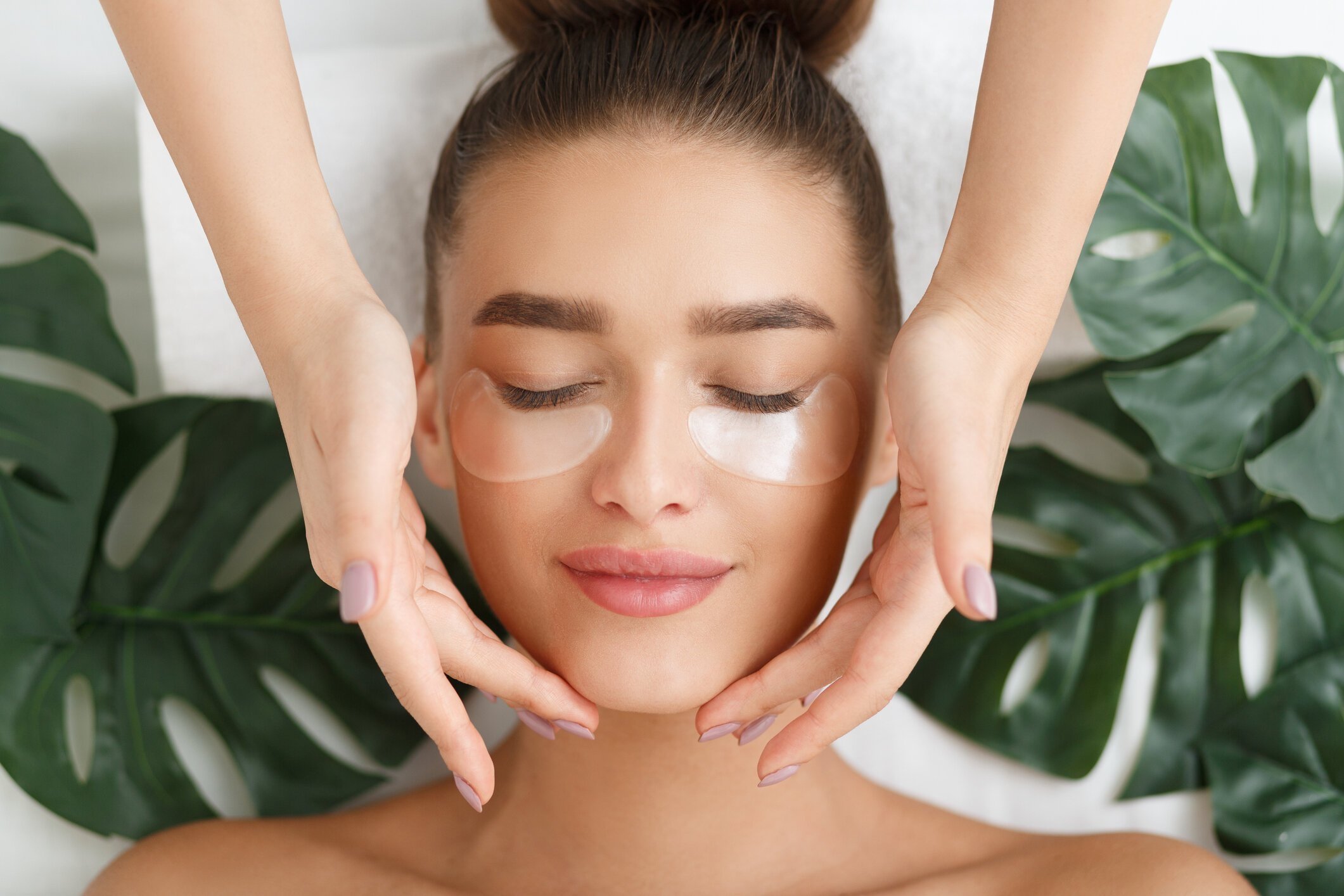
There is a particular kind of exhaustion that belongs almost exclusively to mothers. It is not the ordinary tiredness that comes from a difficult week or a poor night of sleep. It is the cumulative weight of showing up, day after day, with little time carved out for genuine recovery. As Mother’s Day approaches, it is worth asking a simple question: what does the woman you are celebrating actually need? The answer, more often than not, is rest. Not a gift that asks something of her, but one that gives something back.
The Body Keeps Score of Chronic Stress
Research in psychoneuroimmunology, the field that studies the relationship between psychological states and the immune system, has consistently demonstrated that prolonged stress alters the body at a cellular level. Elevated cortisol, the body’s primary stress hormone, disrupts sleep architecture, impairs digestion, increases systemic inflammation, and reduces the effectiveness of the immune response. A 2020 study published in the journal Psychosomatic Medicine found that caregiving stress in particular, the kind mothers experience routinely, was associated with significantly higher inflammatory markers compared to non-caregiving controls. The physical cost of sustained giving is real, measurable, and often invisible to the person experiencing it.
What restores the body is not merely absence of activity. True recovery requires activating the parasympathetic nervous system, the branch responsible for what physiologists call the “rest and digest” response. This is the state in which the body repairs tissue, consolidates memory, regulates hormones, and processes emotional residue from the day. It is, in the most literal sense, the state in which healing happens. Achieving it requires more than sitting on the couch. It often requires deliberate intervention.
Touch as Medicine
Therapeutic touch has been studied extensively as a means of shifting the nervous system toward parasympathetic dominance. A landmark meta-analysis published in Psychological Bulletin reviewed 212 studies on massage and found consistent, meaningful reductions in cortisol, heart rate, and blood pressure following massage therapy. The effect was not trivial. Cortisol levels dropped an average of 31 percent. This is the physiological equivalent of giving someone permission to exhale.
Reflexology works within this same framework of therapeutic touch, with its own distinct mechanisms. Rooted in the understanding that specific points on the feet correspond to organs, glands, and systems throughout the body, reflexology applies targeted pressure to stimulate the body’s natural regulatory processes. Practitioners who integrate reflexology into clinical care often note its particular effectiveness for stress-related conditions: tension headaches, disrupted sleep, digestive irregularity, and the general state of being wound too tight. The feet, which carry the weight of a person’s entire life, are rarely given the attention they deserve. A dedicated reflexology session can feel, for many clients, like releasing something they did not know they had been holding.
What a Meaningful Gift Actually Looks Like
The best Mother’s Day gift is not the one that looks impressive. It is the one that communicates a particular kind of care: I see how much you carry, and I want to give you something that is only yours. An experience that requires nothing, asks nothing, and produces nothing except genuine rest and recovery. A gift certificate to a session of Chinese body massage or reflexology does exactly that. It is a threshold. On one side, the ordinary demands of daily life. On the other, an hour or more dedicated entirely to the restoration of the person who makes so much possible.
At BAO Foot Spa, this is precisely what we have built. Our reflexology sessions are designed around the principles of traditional Chinese reflexology, with practitioners who have trained extensively in the techniques developed over centuries of clinical practice in China. Our Chinese body massage integrates deep tissue work with traditional meridian theory, targeting the pathways along which tension accumulates and stagnates. Both treatments are available as standalone sessions or in combination, and both are well-suited to clients who carry stress in the body chronically rather than occasionally.

A Note on Making It Easy
One of the most thoughtful things you can do when giving a wellness experience as a gift is to remove the friction. Purchase the gift certificate in advance. Let her choose her own appointment time. Consider pairing it with a note that says, simply, that there is no occasion required and no rush. The best wellness gifts are ones that do not come with a deadline. Rest, after all, cannot always be scheduled. It arrives when the conditions are right, and part of the gift is creating those conditions without expectation. This Mother’s Day, consider giving something that cannot be returned, regifted, or forgotten on a shelf. Give the experience of feeling entirely well, if only for a few hours. It is, perhaps, the most loving thing you can offer someone who has spent so long offering herself to everyone else.
Book a session or purchase a gift certificate at www.baofootspa.com. BAO Foot Spa is located in Beverly Hills and Santa Monica and is open daily from 10am to 10pm. Call us at (310) 777-7512 to reserve an appointment.
Sources
Kiecolt-Glaser JK, et al. “Stress, inflammation, and yoga practice.” Psychosomatic Medicine. 2010. Morhenn V, et al. “Massaged babies show greater increases in motor tone, heart rate, and oxygen consumption.” Field T. Touch. Cambridge: MIT Press. 2001. Rapaport MH, et al. “A preliminary study of the effects of repeated massage on hypothalamic-pituitary-adrenal and immune function in healthy individuals.” Journal of Alternative and Complementary Medicine. 2010. Uvnäs-Moberg K, et al. “Self-soothing behaviors with particular reference to oxytocin release induced by non-noxious sensory stimulation.” Frontiers in Psychology. 2014. Farrar JT. “The clinical importance of within-patient minimally clinically important differences in chronic pain clinical trials.” Anesthesia & Analgesia. 2010.