
Every year, in the week leading up to Thanksgiving, gratitude gets its cultural moment. We are encouraged to pause, reflect, and name the people and things we are thankful for. It is a beautiful practice, and genuinely meaningful, but it is also largely a one-time event for most people. What the science is showing is that the benefits of gratitude are not found in the annual gesture. They are found in the daily one.
Gratitude, practiced consistently, is not simply a mindset shift. It is a measurable biological event. It changes the structure and chemistry of the brain, lowers the hormones most responsible for chronic disease, and activates the branch of the nervous system that governs healing and recovery. If you have ever wondered why some people seem to carry a natural sense of ease and resilience that others struggle to find, the answer may be less about circumstance than it is about neurobiology, and specifically about what a consistent gratitude practice is doing to their physiology.
The Neurochemistry of Thankfulness
When you practice gratitude, your brain responds by releasing 2 of its most important neurotransmitters: dopamine and serotonin. Dopamine is the brain's primary reward and motivation chemical. Every time you consciously acknowledge something you appreciate, your brain registers a kind of reward and releases a small burst of dopamine in response. Over time, this creates a feedback loop. The more frequently you practice, the more readily your brain looks for things to feel good about, because it has been trained to associate the act of noticing with reward.
Serotonin, meanwhile, is your mood stabilizer. It creates a sense of deep calm and contentment rather than excitement, which is why gratitude often feels less like a rush and more like an exhale. Research published in a pilot randomized study from UC San Diego found that heart failure patients who engaged in a regular gratitude journaling practice showed increased parasympathetic heart rate variability and reduced inflammatory biomarkers compared to those who received standard care alone. Heart rate variability, or HRV, is considered one of the most important indicators of nervous system health, and its improvement through gratitude practice is one of the more striking findings in this space.
What is particularly interesting is that oxytocin, often called the bonding hormone, also rises during states of genuine appreciation. When these 3 neurochemicals, dopamine, serotonin, and oxytocin, are released together, the effect on mood, immunity, and stress tolerance is significant. No single pharmaceutical produces this exact combination. The brain manufactures it freely, and the trigger is simply the act of noticing what is good.
How Gratitude Rewires the Brain
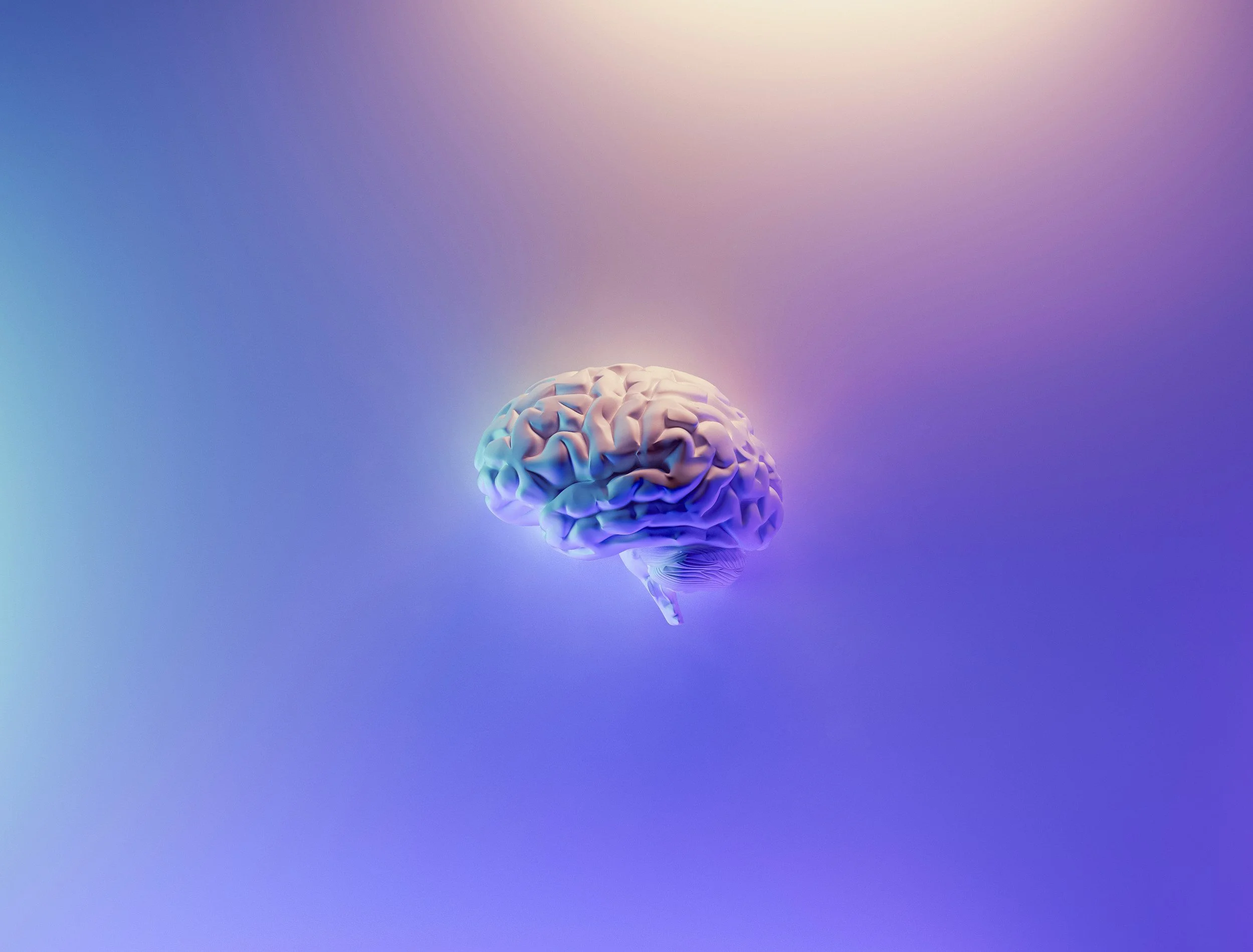
The human brain is not a fixed organ. Thanks to neuroplasticity, the brain's capacity to form new neural connections throughout life, sustained mental habits leave structural traces on brain tissue. Gratitude is no exception. Functional MRI studies have shown that gratitude activates several key regions of the brain, most notably the medial prefrontal cortex, the hippocampus, and the amygdala.
The medial prefrontal cortex is the region associated with emotional regulation, empathy, and moral cognition. It is also one of the most connected regions in the entire brain, linking directly into the systems responsible for stress relief and social bonding. A 2016 randomized controlled trial at Indiana University found that adults who wrote weekly gratitude letters showed significantly stronger and more lasting activation in this region 3 months later, even after they had stopped writing the letters. The brain had, in a measurable sense, been restructured by the practice.
This matters because the brain has what researchers call a negativity bias, an evolutionary tendency to register and hold onto negative experiences more strongly than positive ones. This was adaptive for our ancestors, who needed to remember where the predators were. For modern humans living with chronic stress, it is less useful. Gratitude practice, over time, does not remove this bias, but it does counterbalance it. The brain becomes better at noticing and encoding positive experiences, which shifts the baseline emotional state in a meaningful and lasting direction.
The Stress Hormone Connection
Cortisol is the body's primary stress hormone. In short bursts it is essential, but chronic elevation of cortisol is associated with a long list of consequences including disrupted sleep, suppressed immunity, hormonal imbalance, and increased cardiovascular risk. The modern lifestyle, with its relentless pace and low-grade ambient pressure, keeps cortisol elevated for far longer than the body was designed to tolerate.
Gratitude practice appears to interrupt this cycle at a physiological level. Studies have found that people who keep gratitude journals report lower nighttime cortisol levels, and research from the University of Limerick found measurable differences in cardiovascular stress reactivity among those with higher levels of trait gratitude. The mechanism is consistent with what we know about the parasympathetic nervous system: when the brain perceives safety and connection, which is precisely the neural state gratitude cultivates, the parasympathetic branch comes online. Heart rate slows, blood pressure eases, and the body shifts out of its defensive posture and into its restorative one.
The American Heart Association, citing research from UC San Diego, notes that people who kept gratitude journals for 8 weeks showed a significant reduction in inflammatory markers and improved heart rate variability, while those who did not showed no such improvement. Inflammation is now understood to be a root driver of a wide range of chronic diseases, so the fact that a simple journaling practice can move these markers is worth taking seriously.
Sleep, Resilience, and the Ripple Effects
The downstream effects of consistent gratitude practice extend beyond mood and stress. Studies have consistently found that those who practice gratitude report better sleep quality, including falling asleep faster and sleeping for longer. The likely pathway is through the cortisol and serotonin connection: a brain that is running lower cortisol at night and producing more serotonin creates the biochemical conditions for deeper, more restorative sleep. And given that sleep is the body's primary repair and consolidation window, this is not a minor benefit.
Resilience, the capacity to recover from difficulty and adapt to change, is another documented outcome. Because gratitude trains the brain to locate the positive in its environment, it builds a form of cognitive flexibility that proves enormously useful during hard times. Research shows that people who practice gratitude regularly tend to bounce back more quickly from stress, illness, and setbacks, not because their lives are easier but because their brains are wired to process adversity with more balance.
There is also a pain dimension that is less widely discussed. Research suggests that gratitude may reduce the perception of physical pain by modulating dopamine levels, since dopamine plays a role in the brain's pain regulation pathways. This is an area where more research is needed, but the initial findings point toward gratitude having value not just for emotional health but for physical comfort as well.
How to Build a Practice That Actually Works
The research is consistent on 1 point: frequency matters more than intensity. A brief, genuine gratitude practice done daily produces more lasting neurological change than an occasional deep dive. The goal is not to generate an overwhelming surge of positive emotion but to give the brain a regular signal to scan for the good, gradually making that scanning automatic.
Keeping a gratitude journal remains one of the most research-supported methods, and it need not be elaborate. Writing down 3 specific things you are grateful for before bed, with enough detail that the brain can actually form a sensory impression of them, appears to be sufficient to begin shifting the biochemistry. Specificity is important here: a vague general acknowledgment of being lucky produces less neural activation than a vivid, concrete observation, such as the particular kindness of a conversation earlier in the day, or the way the evening light came through the window.
Meditation, expressed gratitude toward other people, and even brief moments of intentional appreciation throughout the day all activate similar pathways. The common thread is the act of pausing and directing the mind's attention toward what is working. That pause, repeated consistently, is what rewires the circuitry.
The Body That Receives Care
What all of this research points to is a simple but profound truth: the internal state of the body is not fixed. It is responsive to the quality of attention we bring to our daily experience. Gratitude is one of the most accessible and well-studied tools for shifting that internal state toward one that supports health, longevity, and genuine well-being.
At BAO Foot Spa, the work we do with the body is grounded in this same understanding. Reflexology and therapeutic bodywork are not simply about managing physical discomfort. They are about restoring the nervous system to its parasympathetic, restorative state, the same state that gratitude helps activate. Our Signature Reflexology treatment, our Deep Tissue Foot and Body Massage, and our Full Body Massage services all work directly on the pathways that govern stress, circulation, and recovery. When the body is held in a space of intentional care, it responds at a biological level, just as it does when the mind is held in intentional appreciation.
If you are building a gratitude practice this season and looking for a way to anchor it in something tangible, consider pairing it with a session at BAO. The body remembers what it feels like to be restored. So does the brain. We invite you to come in and give both of them that experience.
Sources
Redwine, L. et al. Pilot Randomized Study of a Gratitude Journaling Intervention on Heart Rate Variability and Inflammatory Biomarkers in Patients with Stage B Heart Failure. UC San Diego / escholarship.org. Kini, P. et al. (2016). The effects of gratitude expression on neural activity. NeuroImage. Indiana University. Fox, G. et al. (2015). Gratitude and the brain. Social Cognitive and Affective Neuroscience. American Heart Association. Gratitude is the Attitude for Good Health. heart.org. Greater Good Science Center, UC Berkeley. Is Gratitude Good for Your Health? greatergood.berkeley.edu. University of Wisconsin-Madison. The Chemistry of Gratitude. slcop.sites.wisc.edu. Psychology Today / Li et al. (2025). Training the Brain to See the Good.