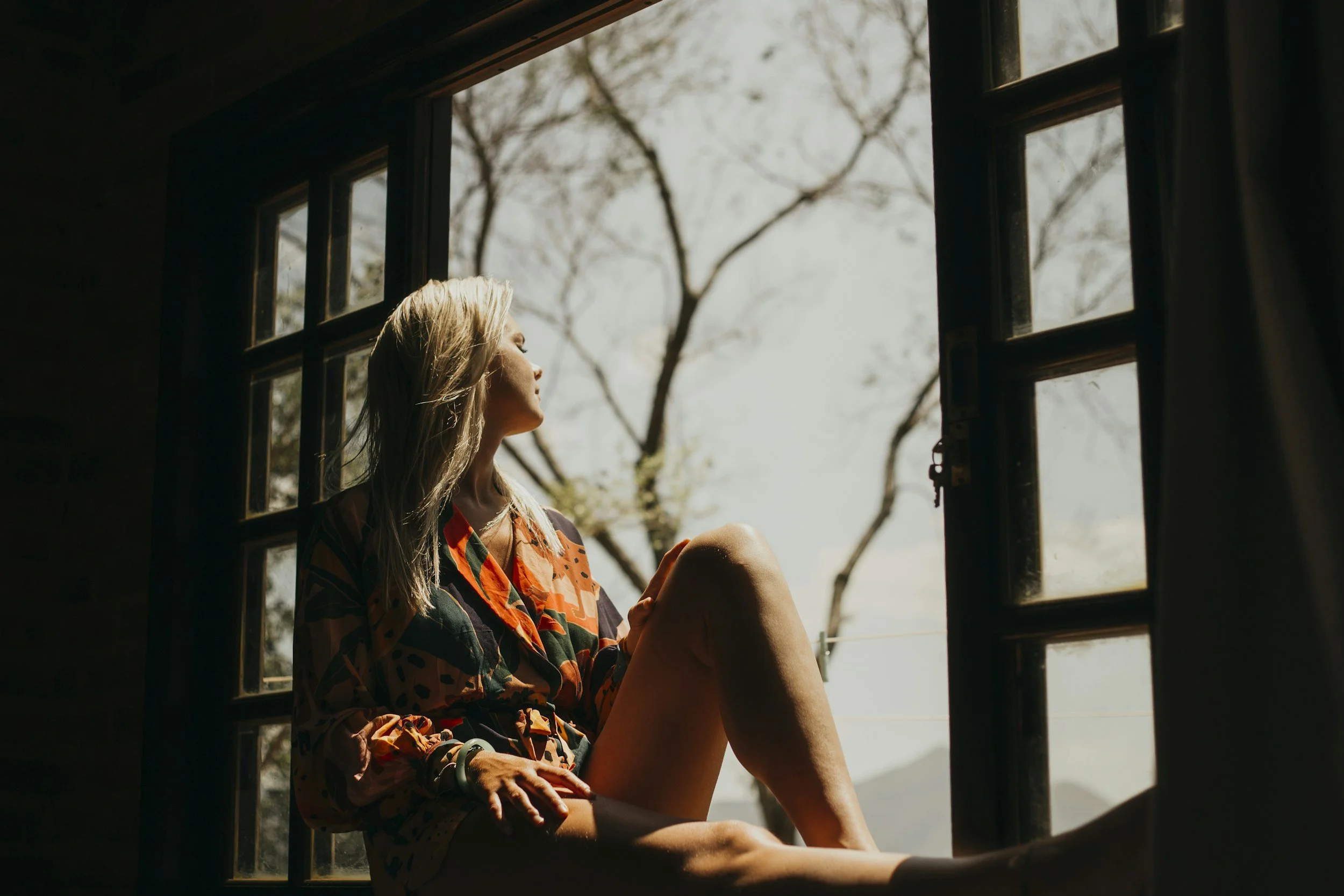
Every November, the clocks fall back by one hour, and most of us treat it as a welcome gift: a free extra hour of sleep before a quiet Sunday. On paper, it sounds like a restoration. In practice, the days that follow often feel subtly off in ways that are difficult to name. Energy dips arrive earlier in the afternoon. Sleep, which was supposed to improve, sometimes becomes less reliable. The light disappears before dinner, and the body seems to register the loss in ways that go beyond the inconvenience of a darker commute.
This is not imagined, and it is not a minor adjustment. The hour shift that occurs on November 1st triggers a genuine physiological response, and understanding it makes it considerably easier to manage.
What the Clock Change Actually Does to Your Body
Your body runs on an internal timing system called the circadian clock, a roughly 24-hour biological rhythm that governs nearly every function your body performs. Hormone secretion, core temperature regulation, immune activity, digestion, and sleep-wake cycles are all coordinated through this system. The primary signal that keeps it calibrated is light, specifically the timing and intensity of natural daylight reaching the retina.
When the clocks change and evening arrives an hour earlier, your brain receives a new environmental signal that conflicts with the internal schedule your body has built over the previous months. The result is a form of biological jet lag. Researchers at the University of Michigan have documented shifts in what they call social jet lag, the misalignment between your internal clock and your external demands, that persist for several weeks following both the spring and autumn transitions. Unlike crossing a time zone, where the clock eventually stabilizes in a new setting, the seasonal shift introduces an ongoing mismatch between biology and daily life that can take weeks to resolve.
What the Science Shows
The body of research on clock transitions is now substantial, and the findings are more significant than popular culture generally acknowledges. Studies examining the weeks following time changes have found measurable increases in traffic incidents, declines in productivity and mood, and disruptions to immune function. A 2019 study published in the British Medical Journal found a 24 percent increase in adverse cardiac events following the spring forward transition, when sleep loss is most acute. The autumn shift is the gentler of the two, but its effects on mood and nervous system tone are well documented.
The reduction in afternoon light carries particular weight for mood regulation. Natural light is the primary environmental driver of serotonin production, and as daylight contracts, many people experience a gradual reduction in this key neurotransmitter. For individuals who are prone to seasonal mood shifts, the autumn time change is often the point at which that pattern begins to establish itself.
Your Nervous System in the Dark
One of the less-discussed consequences of the autumn transition is its effect on the autonomic nervous system. As daylight shortens and the body registers the shift toward a colder, darker season, the sympathetic nervous system (the branch responsible for alertness and the stress response) can become mildly elevated as a baseline state. This is an evolutionary response. In seasonal terms, the body is registering a signal that historically preceded scarcity, and it prepares accordingly.
In a modern context, this means that muscles may carry more baseline tension. Sleep can become less restorative even when total hours remain unchanged. Digestion may slow. The gastrointestinal system is heavily governed by vagal and parasympathetic activity, and when the nervous system tilts toward sympathetic dominance, gut function often follows. None of this represents malfunction. The body is responding intelligently to environmental information. But layered on top of the stress that already characterizes modern daily life, that additional baseline tension accumulates.
How to Support Yourself Through the Transition
The strategies that are most effective during a circadian transition are the ones that work with the body’s biology rather than against it. Morning light exposure is the single most powerful tool available. Getting outside within an hour of waking, even on an overcast day, delivers a photonic signal strong enough to anchor the circadian rhythm and tell the brain that the day has begun. For those who cannot get outside consistently, a full-spectrum light therapy lamp positioned at eye level during the first hour of the day achieves a comparable effect.
Sleep and wake times should be kept as consistent as possible during the weeks following the transition. The internal clock adapts to regular, predictable cues, and maintaining a stable schedule accelerates that adaptation. Alcohol and heavy meals in the late evening should be minimized, as both impair the quality of restorative sleep even when they do not affect its duration.
Physical warmth is also a meaningful tool. The body’s thermoregulatory system and its sleep onset mechanism are closely linked: a drop in core temperature signals the brain that sleep is appropriate, while sustained warmth in the extremities facilitates that peripheral heat loss. A warm foot soak or bath in the evening can meaningfully support sleep onset by assisting this process naturally.

Why This Is the Season for Bodywork
There is a clear physiological rationale for why bodywork becomes especially valuable during seasonal transitions. Skilled manual therapy activates the parasympathetic nervous system, reducing the baseline tension that accumulates in cold weather and during circadian disruption. Circulation improves to tissues that have been constricting in response to lower temperatures. Nerve endings receive a steady, calibrated input that counters the low-level alertness the sympathetic nervous system maintains during this time of year.
Reflexology is particularly well suited to this kind of support. The feet, which are richly supplied with nerve endings and reflex points corresponding to systems throughout the body, are also among the first areas to experience circulatory restriction in cooler weather. A focused session addresses both the local effects of cold and tension and the systemic patterns they reflect. Many clients find that consistent bodywork during the October to December period measurably reduces the fatigue and physical heaviness that typically accompany the seasonal shift.
At BAO Foot Spa in Santa Monica and Beverly Hills, both 30-minute and longer reflexology sessions are available throughout the week. If the weeks following the clock change tend to leave you running lower than usual, the month ahead is an excellent time to build a regular practice around it. You can book directly at baofootspa.com.
The Larger Point
Daylight Saving Time is often discussed as a minor inconvenience, a nuisance that produces a groggy Monday and resolves itself by Tuesday. The science suggests it is something more than that: a genuine recalibration that the body takes seriously, and one that repays a week or two of attention and care. The people who navigate seasonal transitions best are not those who push through them. They are the ones who meet the body where it is.
Sources:
Sandhu et al., Open Heart 2014; Roenneberg et al., Biology 2019; Lewy et al., Science 1980; Harrison, Sleep Medicine Reviews 2013.