The Power of Touch: How Human Connection Boosts Immunity

Introduction
Human touch is one of the oldest forms of healing. Long before medicine, supplements, or sophisticated tools, people used their hands to comfort, soothe, and restore. Touch communicates safety, eases pain, settles the nervous system, and helps us feel connected. But recent research reveals something even more extraordinary. Touch can strengthen the immune system.
As artificial intelligence grows more capable and our interactions become increasingly digital, people are experiencing less physical connection than any generation before. We have machines that vacuum, robots that perform chores, chairs that massage, and AI that talks to us. Yet none of it replaces the biological chemistry and emotional resonance triggered by one human being touching another.
This article explores the science of touch, its influence on immunity, and why human connection has become more important in an age of automation.
Why Touch Matters From a Biological Perspective
From the moment we are born, touch is vital for healthy development. Newborns who experience skin to skin contact regulate their temperature better, cry less, and show more stable heart rhythms. Adults continue to depend on touch for emotional regulation and physical balance.
Psychologist Tiffany Field, founder of the Touch Research Institute, writes: “Touch is the first sense to develop and the last to fade. It is essential to our emotional and physical wellbeing.”
Human touch activates the parasympathetic nervous system, lowers stress hormones, releases oxytocin, and signals the body that it is safe. These reactions provide a direct pathway to stronger immunity.
How Touch Strengthens Immunity
- Touch Reduces Stress Hormones
Stress is one of the fastest ways to weaken the immune system. Touch, including something as simple as a hug or hand squeeze, is proven to interrupt this stress response.
A study published in Psychological Science found that people who received more positive touch experienced fewer and milder cold symptoms when exposed to a virus. The researchers noted: “Touch acts as a form of social support, reducing stress and buffering the body from infection.”
Human contact helps the immune system stay resilient during difficult moments.
- Touch Increases Natural Killer Cells
Natural killer cells help protect the body from viruses and early cancer cells.
According to a summary by the Touch Research Institute, therapeutic massage has been shown to: “Increase natural killer cells, decrease cortisol, and enhance immune function.”
Even light touch can create meaningful biological change. What matters most is the presence of another person.
- Touch Boosts Oxytocin and Decreases Inflammation
Oxytocin is a hormone linked to bonding, safety, and healing. Higher oxytocin levels correlate with lower inflammation and faster recovery.
Harvard Health Publishing explains: “Oxytocin reduces stress responses and supports immune function by lowering inflammation.”
Human touch elevates oxytocin naturally and reliably.
- Touch Supports the Vagus Nerve
The vagus nerve helps regulate digestion, heart rate, mood, and immune function. Gentle touch is one of the most effective ways to activate healthy vagal tone.
Dr. Stephen Porges, creator of the Polyvagal Theory, notes: “Warm, gentle touch cues the nervous system that the environment is safe. Safety allows healing.”
A machine can imitate pressure. It cannot transmit safety, trust, or attunement.
Why Touch Matters Even More in the Age of Artificial Intelligence
Technology continues to evolve at incredible speed. AI can draft writing, analyze patterns, predict needs, and hold conversation. Machines can wash dishes, fold laundry, and knead the muscles in your back.
Yet as convenience increases, physical connection is quietly disappearing.
Remote work limits face to face interactions. Text messages replace personal conversations. Automated checkouts eliminate small social exchanges. Massage guns and chairs replace human therapists.
Major health organizations warn that loneliness and social isolation now pose risks to immune health, cardiovascular wellbeing, sleep quality, and overall longevity.
A recent Scientific American feature notes: “Humans are wired for touch, and deprivation of it heightens distress, weakens immunity, and elevates stress hormones.”
Touch, not technology, is what tells the body it is safe and supported.
Examples of Touch That Support Immunity
- Human connection does not need to be dramatic. Small, consistent moments make a measurable difference.
- Hugging: A twenty second hug can lower cortisol and increase oxytocin.
- Holding hands: Helps regulate the nervous system and slows the heart rate.
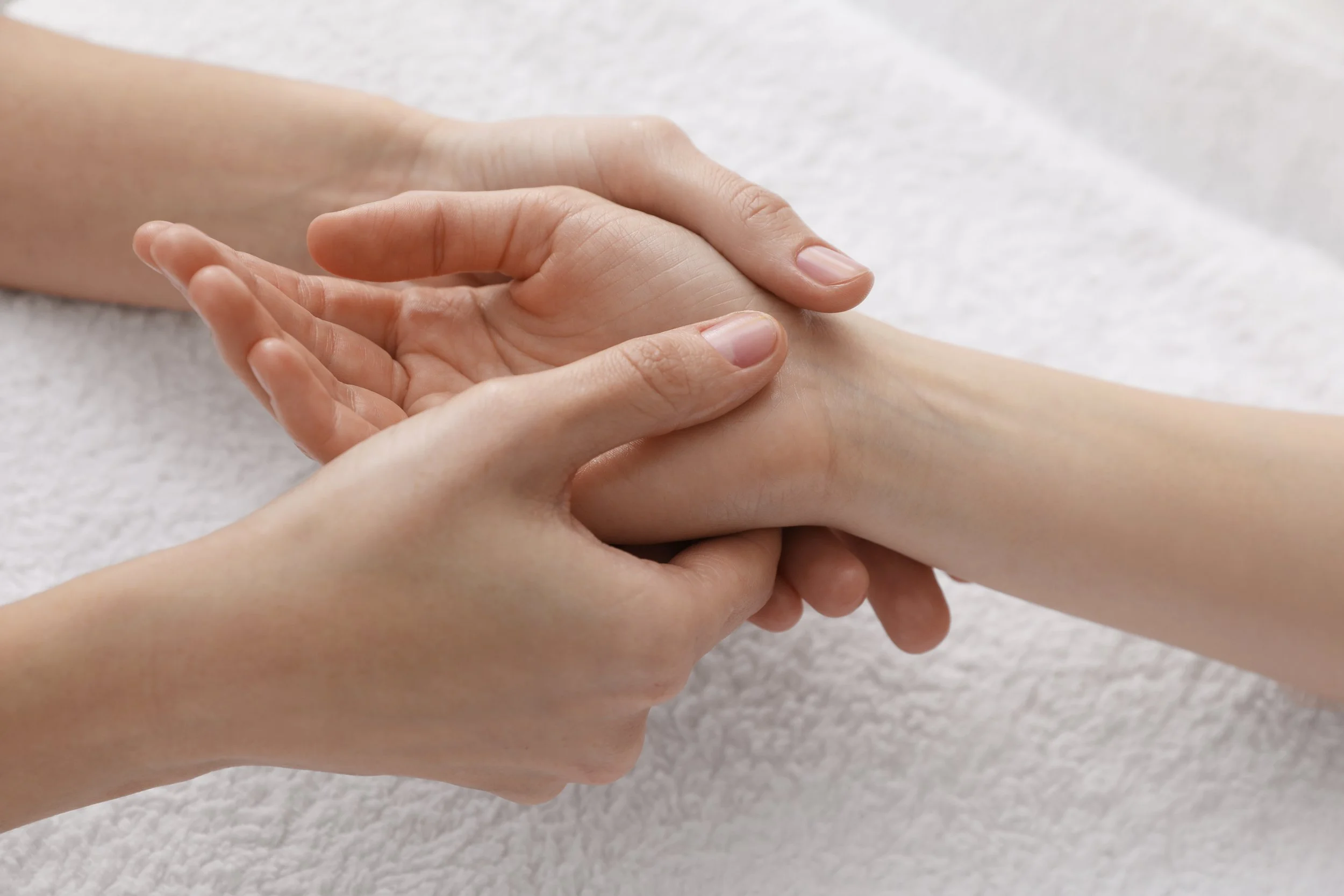
- Massage and reflexology: Increase circulation, reduce inflammation, and support lymphatic flow.
- Cuddling: Whether with a partner, child, or pet, affectionate contact strengthens emotional and immune health.
- Reassuring touch: A gentle hand on the shoulder can shift the body out of stress and into calm.
How to Bring More Touch Into Your Life
- Allow small moments of physical connection
- A brief hand hold or shoulder touch can shift your nervous system.
- Include regular massage or hands on therapy
- This provides structured, science supported touch.
- Choose human contact over devices when you can
- Mechanical pressure cannot replace human presence.
- Hug your loved ones daily
- Simple, intentional affection boosts immunity.
- Connect in person whenever possible
- The immune system responds differently when two people are physically present.
Conclusion
The power of touch is rooted in millions of years of biology. It strengthens immunity, calms stress, deepens connection, and restores balance. As artificial intelligence becomes more sophisticated and daily interactions become more digital, human touch remains something that cannot be duplicated.
Hands communicate what technology never will. Warmth. Presence. Care. Trust.
Touch is nourishment for the nervous system. It is medicine for the immune system. And in a rapidly changing world, it may be the most human act we have left.