

How Longer Days Quietly Change Your Energy Levels
As winter gradually loosens its grip and daylight begins to stretch further into the evening, many people notice subtle changes in how their bodies feel.
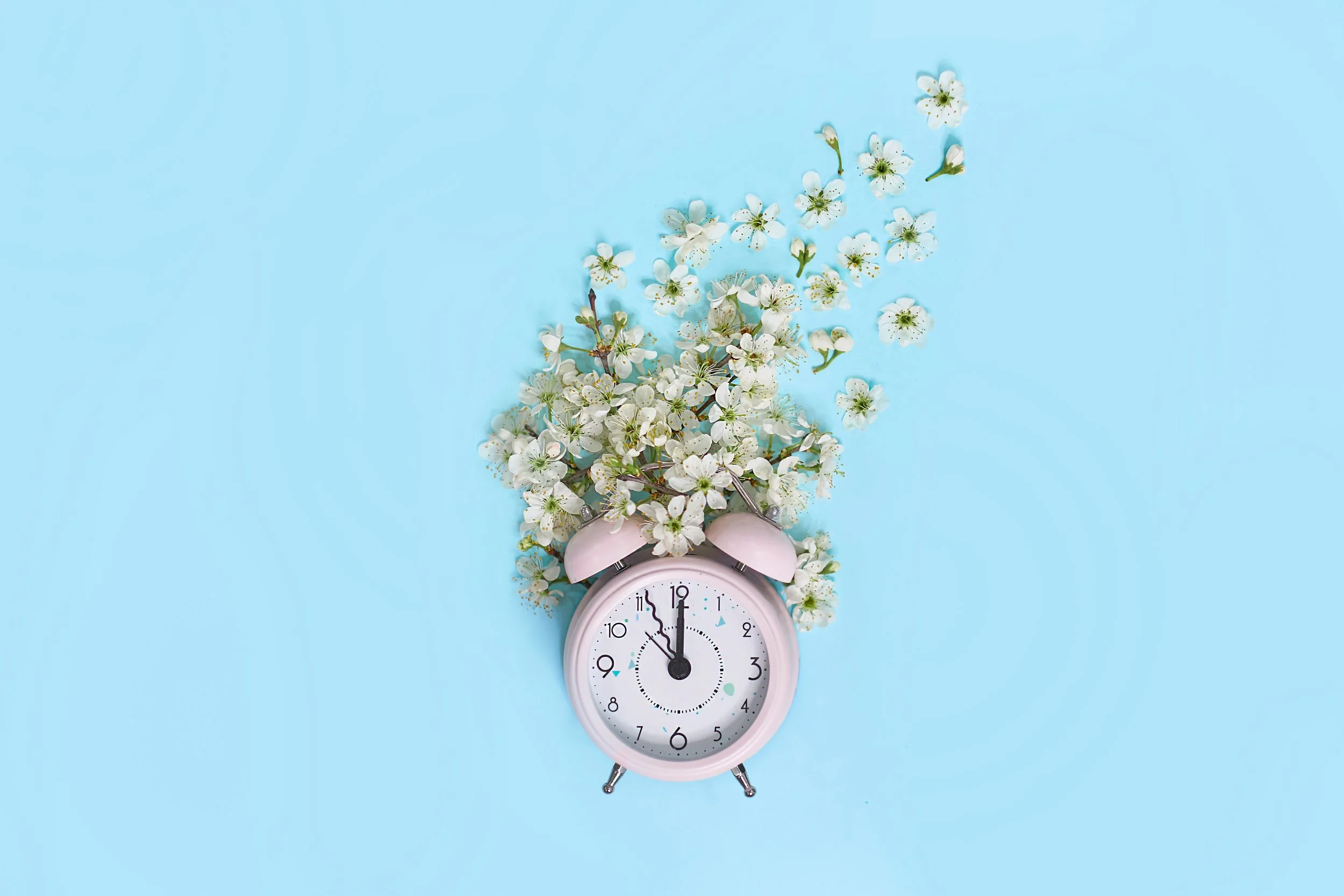
The Science of Losing an Hour: What Daylight Saving Time Does to the Body
Every spring, the clock moves forward by one hour. It appears minor on paper. Just sixty minutes. And yet, for many people, the shift feels disproportionate to its size. Sleep feels lighter. Mornings feel abrupt. Mood feels slightly unsettled. Concentration dips. The body feels off.
This reaction is not imagined. It is biological.