What Summer Does to Your Body: The Science of Heat, Circulation, and Recovery

Something shifts in the body when summer arrives. It is not merely a change in wardrobe or a shift in social calendar. On a biological level, rising temperatures trigger a cascade of physiological responses that alter how your blood moves, how your muscles recover, how your nervous system regulates, and how much energy your body has left at the end of the day. Most people attribute summer fatigue to being busy, to outdoor heat, or to disrupted routines. The reality is more precise than that, and understanding it can meaningfully change how you care for yourself in the warmer months.
Heat and the Circulatory System
When your body temperature rises, the circulatory system responds immediately. Blood vessels near the skin surface dilate, a process called vasodilation, to allow more blood to reach the skin where excess heat can be released into the air. This is an elegant and efficient cooling mechanism, but it comes with a cost. As more blood is redirected toward the surface of the body, the volume available to the organs and muscles at any given moment is reduced. The heart compensates by beating faster, which is why a brisk summer walk can feel more demanding than the same walk in October.
This redistribution of blood flow also explains why heat increases the body's need for hydration so dramatically. Plasma, the fluid component of blood, is the first thing to be depleted when you sweat. Even mild dehydration, as little as one to two percent of body weight in fluid loss, has been shown to reduce cognitive performance, increase perceived exertion, and impair thermoregulation itself. In other words, the hotter it gets, the harder the circulatory system has to work, and the more carefully you need to support it.
The Nervous System Under Heat Stress
What many people do not realize is that heat acts as a genuine physiological stressor on the nervous system. The hypothalamus, the region of the brain responsible for regulating body temperature, stays in a heightened state of activation during periods of sustained heat exposure. This has downstream effects on the autonomic nervous system, the same system responsible for managing the balance between stress response and recovery. When the hypothalamus is occupied with thermoregulation, the parasympathetic nervous system, which governs rest, digestion, and cellular repair, has less bandwidth to operate freely.
This is one of the reasons that summer, despite being associated with leisure, can leave people feeling surprisingly depleted. Sleep quality often declines in warmer months, not only because of ambient temperature but because the body struggles to achieve the core temperature drop that deep, restorative sleep requires. Irritability, difficulty concentrating, and a general sense of physical heaviness are not character flaws during a heat wave. They are the predictable responses of a nervous system working harder than usual just to maintain equilibrium.
Muscles, Movement, and the Recovery Equation
Summer tends to bring increased physical activity. Morning runs, beach days, hiking, outdoor sports, and the general expansion of movement that comes with longer daylight hours mean the body is absorbing significantly more physical stress than it did in the winter months. Muscle tissue that is worked generates heat as a byproduct, and in warm conditions, that internal heat accumulates faster and dissipates more slowly. Lactic acid clears less efficiently. Inflammation at the site of micro-tears in muscle fibers takes longer to resolve. Recovery, in short, demands more deliberate attention in summer than at any other time of year.
Research published in sports medicine literature consistently shows that the recovery window after exercise is the period in which the body does its most critical repair work. During this window, circulation plays a central role. Blood carries oxygen, nutrients, and immune cells to damaged tissue, and carries metabolic waste products away. Anything that supports healthy circulation in the hours and days following physical exertion directly accelerates recovery and reduces the risk of cumulative injury. This is why professional athletes in hot climates are meticulous about post-exertion care in a way that casual exercisers rarely are.
The Role of Therapeutic Touch in Summer Recovery
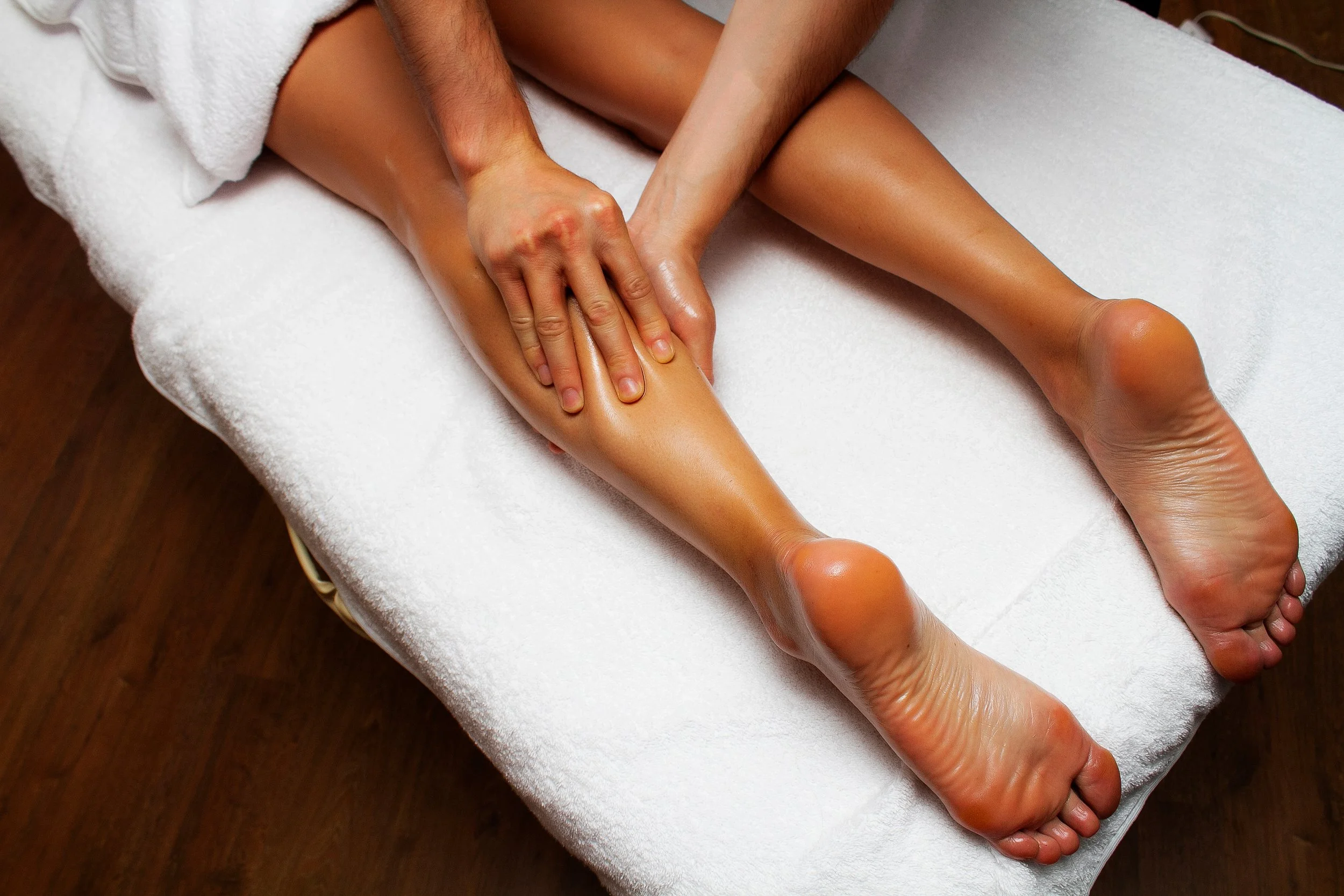
This is precisely where structured bodywork becomes not just a luxury but a physiologically sound practice. A well-administered sports massage works with the body's own circulatory and lymphatic systems to accelerate the clearance of metabolic waste, reduce muscular tension, and signal to the nervous system that it is safe to downshift. In summer, when the body is already managing elevated internal and external temperatures, the effect of targeted manual therapy is particularly pronounced. Muscles that have been working hard in heat respond deeply to skilled, intentional pressure.
Reflexology offers a complementary pathway to the same outcome. The feet, which carry the full weight of summer activity and bear the brunt of every walk, run, and outdoor adventure, contain a dense network of nerve endings and circulatory vessels. Reflexology works by applying targeted pressure to specific points on the foot that correspond to different regions and organ systems of the body. In doing so, it promotes improved blood flow throughout the system, encourages lymphatic movement, and activates the parasympathetic nervous system, helping the body transition from the accumulated stress of the day into genuine rest. For anyone spending more time on their feet in summer, this kind of deliberate care for the foundation of the body is not indulgent. It is intelligent.
Building a Summer Recovery Practice
The most effective approach to summer wellness is not reactive but preventive. Rather than waiting until tension becomes pain or fatigue becomes exhaustion, building regular recovery into the rhythm of the warmer months keeps the body operating well from one week to the next. A few principles are worth anchoring to. Prioritize hydration as a circulatory strategy, not just a thirst response. Create conditions for sleep that support core temperature regulation, keeping the sleep environment cool and minimizing screen light in the hour before bed. Give the body genuine rest after sustained physical exertion, rather than expecting it to absorb effort indefinitely.
And invest in deliberate, therapeutic care for the body. At BAO Foot Spa, our Sport Massage and Reflexology treatments are designed precisely for this kind of intentional recovery. Whether you are an avid athlete looking to extend your performance season or someone simply living more fully in the summer months, a session with one of our therapists offers the body something it cannot generate on its own: skilled, attentive care that works with your physiology rather than around it. Summer asks a great deal of the body. Meeting those demands with equal deliberateness is what makes the difference between a season of vitality and one of accumulated depletion.
Sources: Gonzalez-Alonso, J. et al. (1997). Influence of body temperature on the development of fatigue during prolonged exercise in the heat. Journal of Applied Physiology. | Sawka, M.N. et al. (2007). American College of Sports Medicine position stand: exercise and fluid replacement. Medicine & Science in Sports & Exercise. | Irwin, M.R. (2015). Why sleep is important for health: a psychoneuroimmunology perspective. Annual Review of Psychology. Ready to give your body the recovery it deserves this summer? Book a Sport Massage or Reflexology session at BAO Foot Spa in Beverly Hills or Santa Monica.